Understanding Flathead Equipment Rental
What is Flathead Equipment Rental?
Flathead equipment rental refers to the practice of leasing various types of machinery and tools typically used in construction, landscaping, and heavy-duty tasks in the Flathead region. This convenient option allows contractors, businesses, and DIY enthusiasts to access high-quality equipment on a temporary basis without the hefty upfront costs of purchasing. The selection can range from small hand tools to large construction machinery, ensuring that there’s something for every project need. With flathead equipment rental, users can secure the right tools to enhance productivity while conserving capital.
Benefits of Flathead Equipment Rental
The advantages of utilizing flathead equipment rental are numerous. First and foremost, it reduces financial strain by eliminating the need for large capital investments in equipment. Additionally, renting allows users to access the latest technology and machinery, ensuring they have the best tools for efficiency and effectiveness in their tasks.
Moreover, flexibility is another significant benefit. Projects often vary in scope and duration; thus, renting enables quick adjustments to resources as needed. Lastly, maintenance and storage issues are alleviated, since rented equipment is typically well-maintained by the rental company, and users don't have to worry about long-term storage space.
Common Types of Equipment Available
Flathead equipment rentals can encompass a vast array of machinery. Common categories include:
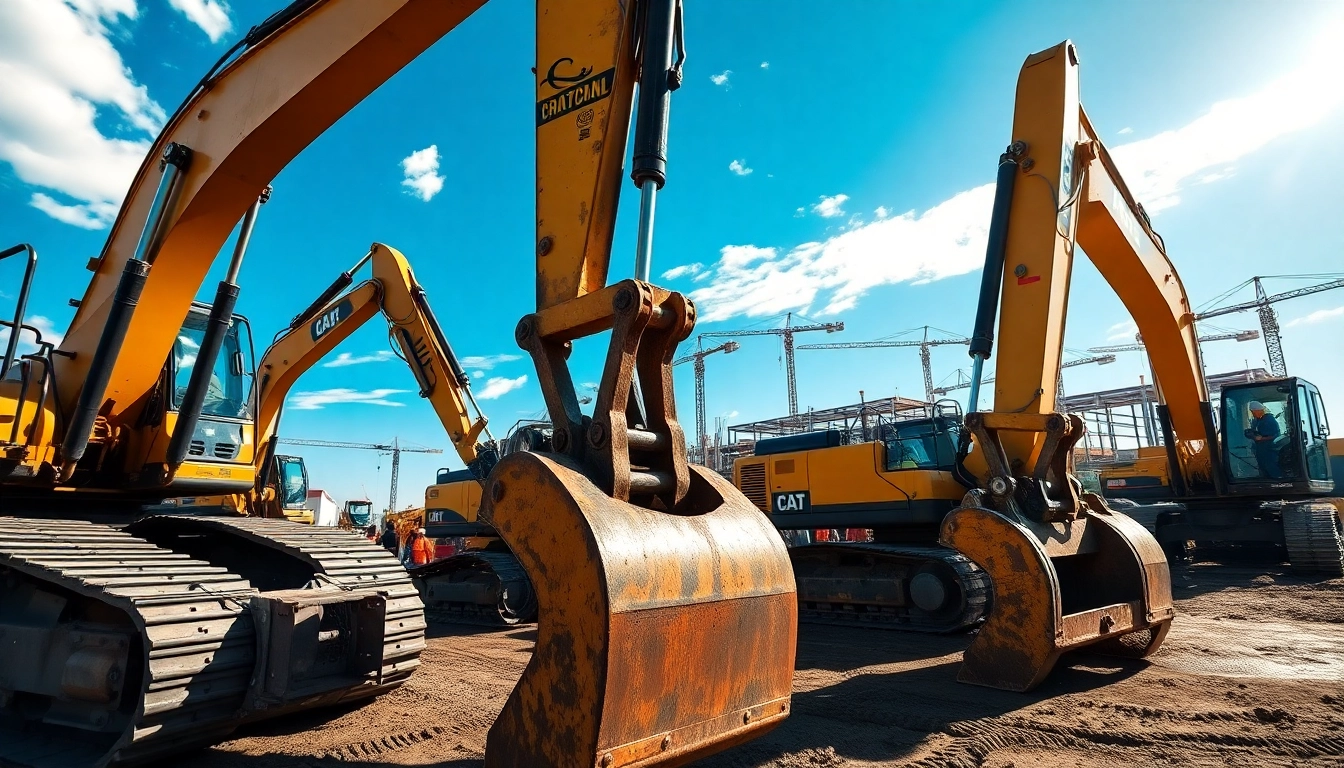
- Excavators: Ideal for digging and earthmoving tasks.
- Bulldozers: Useful for pushing grades and debris during land clearing.
- Scissor Lifts: Employed for elevated work in maintenance and construction.
- Utility Vehicles: Versatile for transporting materials across job sites.
- Compactors: Essential for ground and asphalt compaction.
Choosing the Right Flathead Equipment
Factors to Consider When Renting Equipment
Selecting the right flathead equipment rental involves considering several factors. First, it's crucial to assess the project's specific requirements. Identify the tasks at hand, the terrain, and any logistical constraints.
Another important factor is size; ensure the equipment fits the scale of your project. Additionally, understanding the machine's capabilities and limitations can save time and frustration. Lastly, check the rental company's policies, including support services and maintenance coverage.
Comparing Equipment Options for Your Project
With various rental options available, it’s essential to make informed comparisons. Start by listing the equipment needed for the project. Evaluate each piece based on performance specs, rental rates, and available features. User reviews and testimonials can also provide insight into the reliability and performance of different models.
By creating a side-by-side comparison, you can better gauge which equipment meets your needs in terms of capacity, efficiency, and budget.
Assessing Rental Terms and Conditions
Before finalizing a rental, carefully review the terms and conditions outlined by the rental provider. Key elements to scrutinize include:
- Rental Duration: Clarify if there's a minimum rental period and any associated discounts.
- Damage and Liability: Understand responsibilities in case of damages and the extent of insurance coverage.
- Maintenance Policies: Confirm if maintenance and repairs are included in the rental.
- Return Conditions: Know what condition the equipment needs to be in upon return.
Cost Breakdown of Flathead Equipment Rental
Understanding Rental Rates and Fees
Rental rates for flathead equipment can vary significantly based on the type and size of the machinery. Most companies charge based on the duration of the rental, with daily, weekly, or monthly rates available. Additional fees may apply for delivery, fuel, and any optional insurance coverage you choose to purchase.
Being aware of these costs upfront helps avoid surprises and allows for better budgeting as you allocate funds for your project.
Estimating Your Project Budget
To effectively estimate your project budget, start by calculating the total rental costs, including base rates and any additional fees. It's also vital to anticipate other expenses associated with the project, such as labor costs, material expenses, and unforeseen contingencies.
Creating a spreadsheet can help track these estimates comprehensively, ensuring you remain within your budget while fully equipped for your project's success.
Maximizing Value from Your Rental
To get the most value from your flathead equipment rental, consider the following strategies:
- Proper Planning: Plan your operations to minimize idle time for rented equipment.
- Regular Maintenance: Keep the rented equipment in good working condition to avoid additional costs.
- Know Your Rental Company: Understanding the rental company's policies and services can provide extra advantages.
By following these practices, you'll maximize both efficiency and cost-effectiveness during your project.
Safety Practices with Flathead Equipment Rental
Essential Safety Guidelines
Safety should always be a priority when working with rented equipment. Before utilizing any machinery, familiarize yourself with the manufacturer's safety guidelines. Ensure equipment is inspected regularly for any wear or maintenance issues, addressing problems before they escalate.
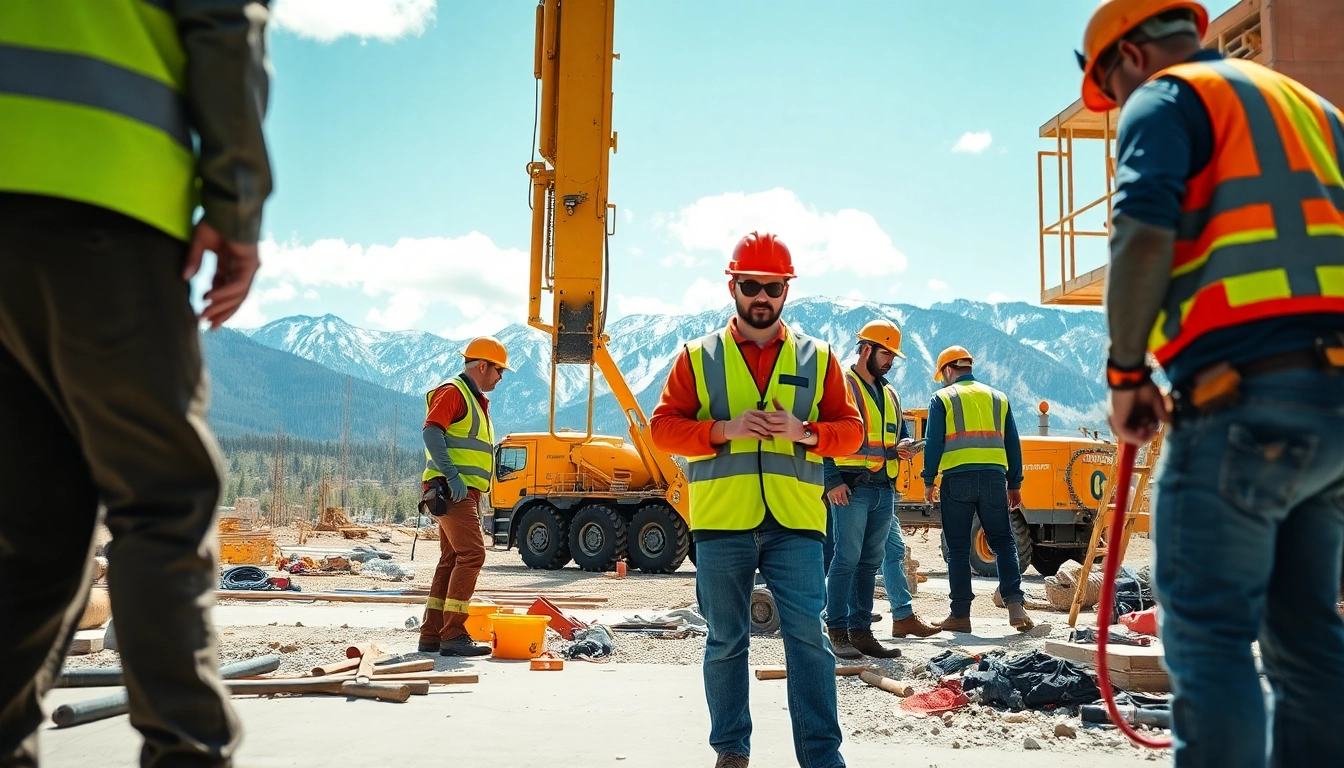
Additionally, always wear appropriate personal protective equipment (PPE) such as hard hats, gloves, and safety goggles to safeguard yourself on the job site.
Training for Equipment Operation
Proper training for equipment operators is crucial to maintaining safety and efficiency. Ensure that all personnel who will operate the equipment are adequately trained, either through the rental company or via independent training resources. This will minimize the risk of accidents and improve the effective use of machinery.
Maintaining Equipment Safety Standards
Adhering to safety standards not only protects employees but also promotes a productive work environment. Regularly review safety protocols and ensure compliance among all workers. Companies may impose penalties for unsafe practices, so understanding and maintaining these standards benefits everyone involved.
FAQs About Flathead Equipment Rental
What types of flathead equipment can I rent?
You can rent various equipment like excavators, bulldozers, and utility vehicles designed for heavy-duty tasks.
Are rental costs negotiable?
Many rental companies offer flexible pricing, and you may negotiate for longer-term rentals or bulk equipment orders.
Do I need insurance for rented equipment?
It’s advisable to have proper insurance, which can protect you from potential damages while using rented equipment.
How do I return rented equipment?
Return policies vary; always check with the rental provider regarding equipment condition and return timelines.
What is the average rental period for flathead equipment?
Rental periods can range from daily to monthly based on project needs, with discounts often available for longer rentals.