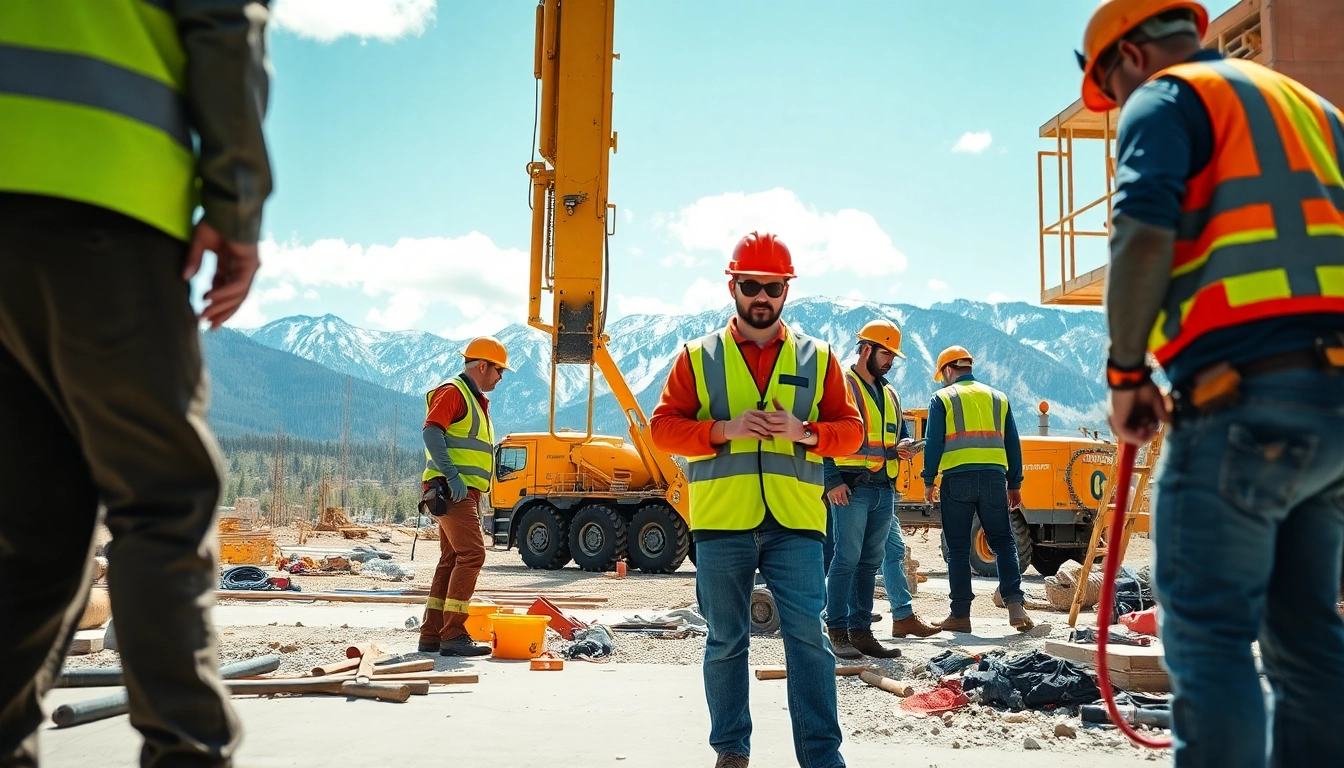
Overview of Prevailing Wage Colorado Construction
Definition and Significance
The concept of prevailing wage refers to the average wage rate paid to workers in a specific construction trade within a region. In Colorado, these wage rates are crucial as they are set by the state to ensure that workers employed on public projects receive fair compensation. This rate directly impacts the economic landscape of communities, influencing both individual livelihoods and broader economic conditions. A thorough understanding of the prevailing wage concept is essential for stakeholders in the construction industry, including workers, contractors, and policymakers, especially in the context of prevailing wage colorado construction.
Historical Context
Prevailing wage laws in the United States date back to the early 20th century, primarily established to protect local labor from unfair competition. In Colorado, these laws were enacted to ensure that public construction projects utilized local labor forces, thereby fostering economic stability and supporting community growth. Over the decades, these laws have evolved, shaped by political, economic, and social forces reflecting the changing dynamics within the construction workforce. This historical backdrop provides crucial insights into the current landscape of prevailing wage laws in Colorado.
Key Legislation Impacting Prevailing Wage
Several key pieces of legislation have a major influence on prevailing wage practices in Colorado. The Colorado Wage Protection Act is particularly significant, outlining the requirements for wage determinations on public projects. Additionally, the state's Department of Labor and Employment plays a pivotal role, regularly updating wage surveys that inform current prevailing wage rates. Understanding these legislative frameworks is vital for navigating the complexities of wage determination and ensuring compliance in the construction sector.
Current Landscape of Prevailing Wage in Colorado
Affect on Local Economies
The implementation of prevailing wage laws serves as a critical economic tool, significantly influencing local economies across Colorado. By ensuring that workers receive fair wages, these laws promote higher living standards and increase disposable income, leading to enhanced consumer spending within communities. Research has observed that public investment in construction projects, when coupled with prevailing wage policies, often results in stronger local economic outcomes, bolstering job creation and community growth.
Impacts on Construction Companies
Construction companies operating in Colorado must navigate the complexities of prevailing wage law compliance, which can present challenges and opportunities. While the requirement for higher wages can elevate project costs, it also ensures a skilled, stable workforce and enhances the company’s reputation as a fair employer. Adapting business strategies to meet these wage standards can foster positive relationships between contractors and their workers, leading to augmented productivity and reduced turnover rates.
Worker Rights and Protection
Prevailing wage laws are designed to protect the rights of construction workers, ensuring that they are compensated fairly for their labor. These laws empower workers by safeguarding them against exploitation, creating a level playing field in the labor market. Through enforceable wage standards, workers gain the right to form unions, seek redress for wage theft, and advocate for safe working conditions. Such protections are essential for cultivating a robust and equitable labor force in Colorado's construction industry.
Calculating Prevailing Wage Rates
How Rates are Determined
The determination of prevailing wage rates in Colorado involves comprehensive surveys conducted by the state's Department of Labor and Employment. These surveys gather data on wages currently paid to workers performing similar tasks on public construction projects. By analyzing this information, the department establishes a wage rate that reflects local market conditions, ensuring that it remains competitive and fair within the region's economic landscape.
Factors Influencing Wage Levels
Several key factors influence the levels of prevailing wage rates, including the geographic location, the nature of the construction work, and the collective bargaining agreements in place. Regions experiencing high demand for construction labor typically see higher prevailing wages than areas with less demand. Furthermore, industry standards, economic conditions, and the availability of skilled labor also play important roles in shaping these wage determinations.
Comparison with National Rates
When comparing Colorado's prevailing wage rates to national averages, certain disparities can be observed. While some regions within Colorado may offer competitive wages consistent with national trends, others may lag behind due to varying economic conditions and local market dynamics. Understanding these comparisons can provide valuable insights for construction companies and workers alike, helping them navigate their respective markets while advocating for fair compensation.

Challenges and Controversies Related to Prevailing Wage
Debates Among Stakeholders
The prevailing wage debate often pits various stakeholders against each other, including construction firms, labor unions, and government entities. Proponents argue that prevailing wage laws are essential for protecting workers and ensuring that public funds are spent responsibly on quality labor. Conversely, critics often assert that these laws can drive up project costs and limit competition. Navigating these differing perspectives requires an understanding of the underlying economic principles and the implications of policy decisions on the impacted stakeholders.
Common Misunderstandings
There are numerous misunderstandings regarding prevailing wage laws, particularly among those not directly involved in the construction industry. A common misconception is that prevailing wage laws primarily benefit unions at the expense of non-union workers. In reality, prevailing wage regulations uplift all workers, ensuring that everyone in the industry receives fair compensation. Educating stakeholders on these issues can clarify the intention behind prevailing wage laws and their broader economic impacts.
Addressing Criticism
Addressing criticism of prevailing wage laws involves transparent communication and ongoing research to illustrate their benefits. Demonstrating the positive impacts of these laws on local economies—including higher wages leading to increased consumer spending—is essential for fostering public support. Engaging stakeholders in meaningful dialogue can also help to bridge the gap between differing opinions, leading to more informed policy discussions and potential reforms that reflect diverse interests.
The Future of Prevailing Wage Colorado Construction
Potential Legislative Changes
As economic conditions evolve, so too will the legislative landscape surrounding prevailing wage in Colorado. Ongoing discussions among lawmakers, industry representatives, and labor advocates may yield changes aimed at adapting to new market realities. Anticipating these changes and participating in advocacy efforts can empower stakeholders to influence the direction of prevailing wage laws and ensure that they continue to meet the needs of workers in the construction industry.
Impact of Economic Trends
Economic trends play a significant role in shaping the future of prevailing wage laws in Colorado. Factors such as inflation, changes in construction demand, and shifts in the labor market can impact wage rates and compliance challenges. Understanding these trends will be essential for both workers and employers as they navigate the complexities of upcoming developments in the wage framework.
Advocacy and Awareness Efforts
Ongoing advocacy and awareness initiatives remain paramount for promoting the benefits of prevailing wage laws within Colorado's construction sector. By amplifying worker voices and engaging in community outreach, organizations and stakeholders can foster public understanding of wage policies. Highlighting success stories and economic benefits will help consolidate support for prevailing wage legislation, paving the way for a more equitable future within the construction industry.
FAQs
What is the prevailing wage in Colorado construction?
The prevailing wage refers to the average wage rate paid to workers in a specific construction trade in Colorado, as determined by state law.
How is the prevailing wage calculated?
It is calculated based on surveys of wages paid by contractors and subcontractors in similar public projects within the same geographic area.
Who benefits from prevailing wage laws?
Workers benefit from higher wages and improved working conditions, while local economies thrive as fair wages lead to increased spending.
Are there any exceptions to prevailing wage laws?
Yes, there may be exceptions for certain projects or funding sources, but these vary based on specific state regulations and guidelines.
How can I find the current prevailing wage rates?
Current rates can typically be found on the Colorado Department of Labor and Employment's website, which regularly updates wage determinations.