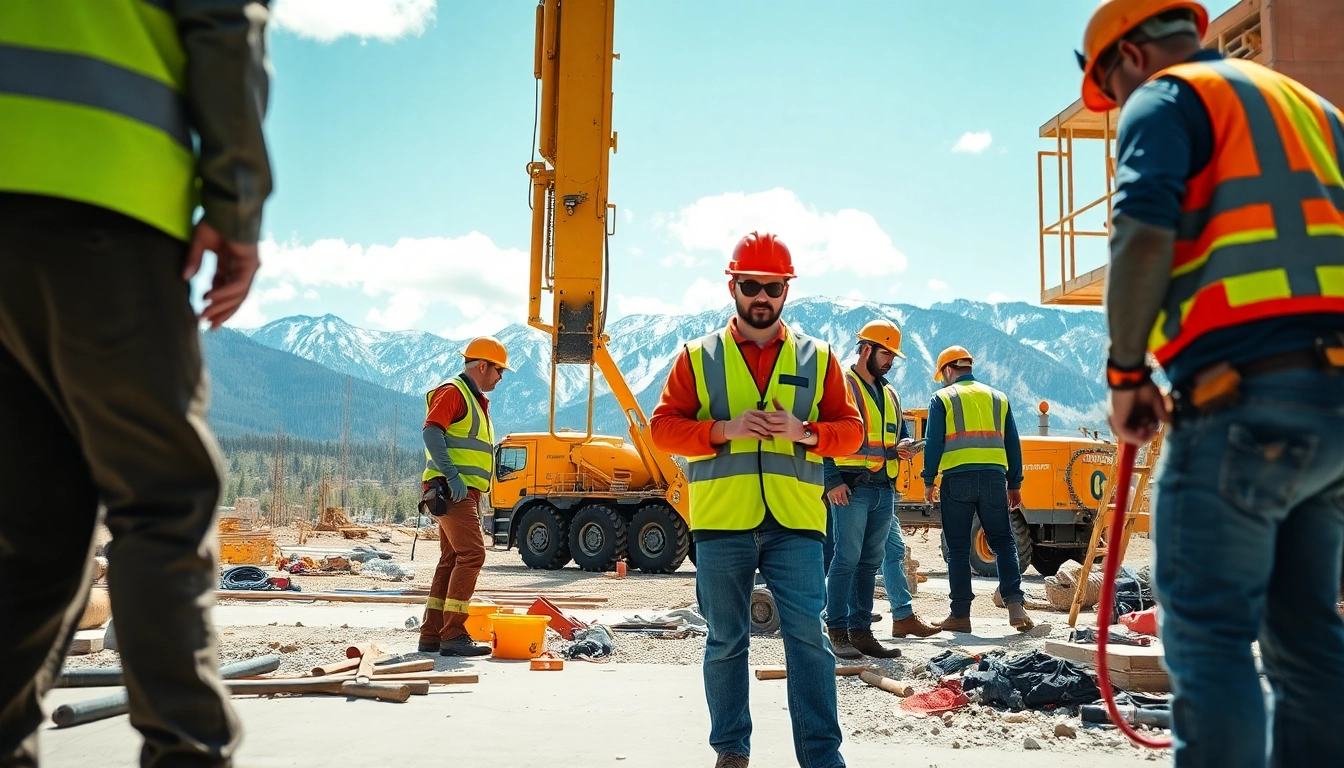
Understanding OSHA Training Programs
What is OSHA?
The Occupational Safety and Health Administration (OSHA) is a regulatory body under the United States Department of Labor, responsible for ensuring safe and healthy working conditions for employees by setting and enforcing standards. Established in 1970, OSHA aims to reduce workplace hazards and implement safety programs through education and training. Employers and employees alike are urged to understand their rights and responsibilities under OSHA regulations, which promote health and safety across various industries, particularly construction.
Importance of Safety Training
Safety training is crucial in any work environment, especially in high-risk industries such as construction. By prioritizing safety training, employers can cultivate a culture of safety amongst employees, leading to various benefits such as reduced accidents, fewer workplace injuries, and improved morale. Effective training not only ensures compliance with OSHA regulations but also enhances operational efficiency. Furthermore, trained employees tend to exhibit higher levels of vigilance, thereby significantly decreasing the likelihood of accidents which may lead to financial loss and diminished productivity.
Overview of OSHA 10 30 Hour Construction San Antonio
The OSHA 10 and 30 Hour courses are designed specifically for the construction industry, catering to different audiences with varying levels of experience. The OSHA 10 30 hour construction san antonio training provides an introduction to workplace safety, suitable for individuals who are new to the construction environment and need foundational knowledge. In contrast, the OSHA 30-hour course is more comprehensive, aimed at supervisors and those wishing to deepen their understanding of workplace safety management. Each course encompasses discussions on safety standards, hazard recognition, and regulatory compliance, all essential for creating a competent workforce.
Key Benefits of OSHA 10 30 Hour Training
Reduced Workplace Accidents
One of the most significant advantages of OSHA 10 and 30 hour training is the notable reduction in workplace accidents. By equipping employees with the knowledge of potential hazards and the correct safety protocols to follow, organizations witness a marked decline in incident rates. This decrease not only saves lives but also minimizes costs associated with injuries, such as insurance premiums and worker compensation claims.
Increased Employee Confidence
When employees are well-informed about safety procedures, their confidence levels naturally rise. Knowledge about how to handle equipment, identify risks, and use protective measures empowers employees, leading to more proactive behaviours in recognizing potential dangers. This confidence is crucial, as employees who feel secure in their training tend to be more vigilant, enthusiastic, and committed to their safety and that of their colleagues.
Regulatory Compliance
Adherence to OSHA standards is not just a legal requirement; it is a moral obligation for employers. By investing in OSHA 10 and 30 hour training, organizations can ensure compliance with federal, state, and local safety regulations. Failure to comply can result in significant fines and penalties, not to mention the reputational damage that can occur. OSHA training equips employers with the necessary tools and knowledge to foster a compliant workplace environment.
Course Structure and Content
Modules Covered
The OSHA 10 and 30 hour courses incorporate a variety of modules focusing on essential safety topics. For the OSHA 10-hour training, key modules generally include introductions to OSHA, rights and responsibilities, personal protective equipment (PPE), hazard communication, and fall protection, among others. Understanding these core subjects lays the groundwork for participants’ safety expertise. In contrast, the OSHA 30-hour course delves deeper into these topics while also covering advanced issues like scaffolding safety, excavation safety, and electrical safety.
Hands-on Training Components
Effective safety training goes beyond theoretical knowledge; it incorporates practical, hands-on training components to reinforce learning. Throughout the OSHA training programs, participants engage in scenarios that mirror real-life situations they may encounter in the workplace. This practical application is critical to ensuring that participants can translate theoretical knowledge into action, demonstrating their capabilities in identifying hazards and implementing corrective measures safely.
Assessment and Certification
At the completion of both the OSHA 10 and 30 hour courses, participants are evaluated through assessments to gauge their understanding of the material covered. Upon successful completion, attendees receive official certification, which not only serves as proof of training but also enhances their resumes. Certification can be a pivotal factor for employees seeking advancement in their careers, showcasing their commitment to safety and compliance in the construction field.
Who Should Enroll in OSHA Training?
Target Audience for OSHA 10 Hour
The OSHA 10-hour training is ideal for entry-level workers, particularly those new to the construction industry. Individuals in less supervisory roles, as well as temporary workers or interns, should also seek this training to ensure they are adequately prepared for the job environment. The course provides them with essential safety knowledge, helping to establish a strong foundation from which they can build their skills.
Target Audience for OSHA 30 Hour
The OSHA 30-hour training is more suited to supervisors, safety personnel, and those with responsibilities for enforcing safety regulations in the workplace. Employees seeking to advance their careers in health and safety or management positions would benefit immensely from this comprehensive course, giving them a deeper understanding of regulatory requirements and safety management practices.
Pre-requisites and Recommendations
No formal pre-requisites exist for the OSHA 10-hour course, making it accessible for virtually anyone who wishes to pursue it. However, participants considering the OSHA 30-hour course should ideally possess a basic understanding of construction work and safety protocols. Additionally, enrolling in the courses as a cohort can foster team-building and enhance the effectiveness of training through group activities and discussions.
FAQs About OSHA 10 30 Hour Construction San Antonio
What does the training cover?
The training covers essential safety topics including hazard recognition, fall protection, and safe use of equipment, with tailored content for both the 10 and 30-hour courses.
How long does the course last?
The OSHA 10-hour course typically spans two days, while the 30-hour course can take up to four days to cover the comprehensive material thoroughly.
Is certification provided after completion?
Yes, participants receive an official certification upon successfully completing either the 10 or 30-hour training courses, validating their safety training.
Who benefits from this training?
Employees at all levels in the construction industry benefit, especially new workers and supervisors who require thorough knowledge of safety standards and practices.
Are there any age restrictions?
There are generally no age restrictions for participating in OSHA training; however, participants must be legally eligible for employment in construction-related roles.