Understanding Equipment Service: What It Entails
Definition and Importance of Equipment Service
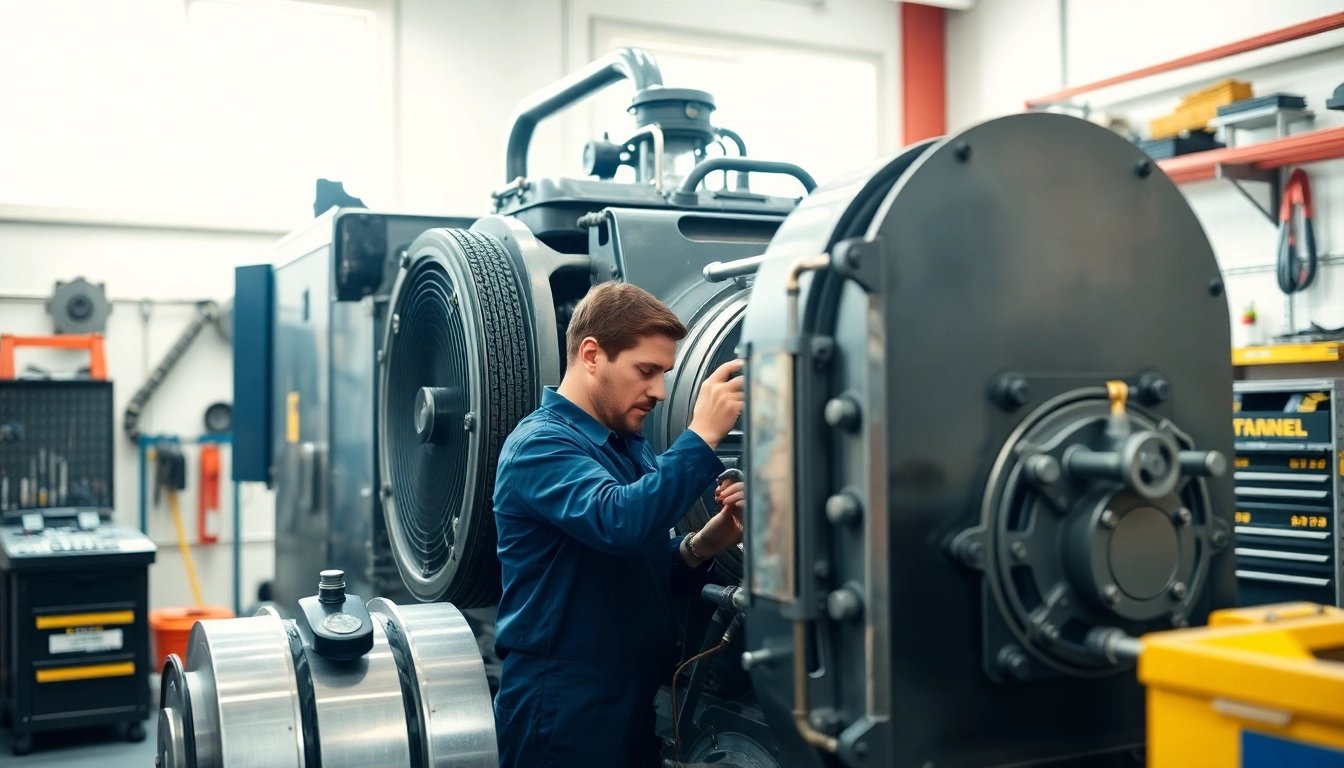
In the realm of machinery and operational efficiency, equipment service refers to a broad spectrum of processes designed to maintain and enhance equipment functionality. This includes activities such as inspection, maintenance, repair, and calibration. Each of these actions is vital not only for ensuring that the equipment performs optimally but also for extending its lifespan and improving overall productivity within an organization.
Understanding the significance of equipment service goes beyond mere operational benefits. Regular maintenance and timely repairs can significantly reduce operational costs, prevent catastrophic failures, and enhance safety for operators and crew. Thus, investing in comprehensive equipment service is an indispensable aspect of successful machinery management.
Types of Equipment Service Offered
Equipment services can be categorized into several distinct types, each targeting specific aspects of equipment maintenance. Here are some of the most common:
- Preventive Maintenance: Scheduled service to prevent equipment failures before they occur, involving routine inspections and replacements of worn components.
- Corrective Maintenance: Reactive measures taken to address unplanned equipment failures, focused on restoring functionality.
- Predictive Maintenance: Advanced techniques utilizing data analytics and monitoring tools to forecast equipment degradation before it leads to failure.
- Condition-Based Maintenance: Servicing performed based on the equipment's operating condition, rather than a fixed schedule, often involving sensors and real-time data tracking.
Key Benefits of Regular Equipment Service
Investing in regular equipment service offers numerous advantages that can enhance operational efficiency and impact the bottom line positively:
- Enhanced Equipment Lifespan: Regular service helps identify wear and tear early, allowing for timely repairs and replacements that prolong equipment life.
- Increased Efficiency: Well-maintained equipment operates at optimal performance levels, reducing wastage of energy and resources.
- Cost Savings: Preventive maintenance can be more cost-effective than corrective maintenance, averting high costs associated with major repairs or replacements.
- Improved Safety: Regular inspections help identify potential hazards, aiding in preventing accidents and ensuring a safer working environment.
- Compliance and Regulation Adherence: Many industries require certain maintenance standards to be met, which regular equipment service ensures.
Common Issues Addressed by Equipment Service
Identifying Signs Your Equipment Needs Service
Recognizing the signs that your equipment requires service is crucial for maintaining operational efficiency. Some common indicators include:
- Unusual Noises: Grinding, squeaking, or knocking sounds can often indicate mechanical issues.
- Decreased Performance: A drop in efficiency or productivity can signal that something is amiss with the equipment.
- Warning Lights or Alarms: Lights or alerts from control panels should never be ignored, as they often indicate necessary intervention.
- Visible Wear or Damage: Physical signs such as cracks, leaks, or rust may require immediate attention.
Preventive Measures to Minimize Equipment Failures
Implementing preventive measures can significantly reduce the likelihood of equipment failure:
- Regular Inspections: Scheduling routine checks helps identify issues before they escalate.
- Training Personnel: Educating operators on proper equipment use and maintenance can prevent misuse leading to failures.
- Adhering to Manufacturer Recommendations: Following the manufacturer's maintenance schedule ensures that all necessary procedures are performed timely.
- Maintaining Cleanliness: Keeping equipment clean can prevent many operational issues, especially in more sensitive machinery.
How Equipment Service Enhances Longevity
Regular and comprehensive equipment service directly contributes to the longevity of machinery. By consistently monitoring the condition of equipment, businesses can implement timely interventions that prevent minor issues from growing into major breakdowns. Preventive maintenance, in particular, focuses on protecting against wear and tear by replacing parts before they fail, ensuring machinery remains in peak condition.
Moreover, a proactive maintenance approach helps maintain warranty conditions, as most manufacturers require regular servicing to validate their warranties. This alignment not only extends the life of the equipment but also secures the investment made in purchasing it.
Choosing the Right Equipment Service Provider
Key Qualities to Look For in a Service Provider
Selecting the right equipment service provider can make a significant difference in service quality. Here are some essential qualities to consider:
- Expertise and Experience: Look for a provider with a proven track record and experience in servicing your specific type of equipment.
- Certifications: Ensure their technicians are certified and trained to handle various machinery and systems.
- Reputation: Research reviews and testimonials from other clients to gauge reliability and service quality.
- Warranty and Guarantees: A good service provider should offer guarantees for their work and parts used.
Questions to Ask a Service Technician
When interviewing potential service technicians or providers, consider asking the following questions:
- What is your experience with my type of equipment?
- Can you provide references or testimonials from previous clients?
- What maintenance procedures do you recommend for my equipment?
- What are your service costs and payment terms?
- How promptly can you respond to emergency service requests?
Evaluating Service Provider Credentials and Experience
Take the time to verify the credentials and experience of the service provider. This can be done by:
- Checking for industry certifications and licenses.
- Assessing their history, including how long they've been in business.
- Requesting detailed case studies or examples of work similar to what you need.
- Evaluating their service approach, including preventive measures and customer support practices.
Scheduling and Managing Equipment Service
How Often Should Equipment Be Serviced?
The frequency of equipment servicing often depends on usage, type of equipment, and manufacturer recommendations. While some equipment may require monthly checks, others may only need biannual or annual service. It's crucial to establish a servicing schedule based on these factors to ensure optimal performance and longevity.
Creating an Equipment Service Schedule
To create an effective equipment service schedule, consider these steps:
- Assess Usage: Evaluate how often and under what conditions the equipment is used.
- Consult Manufacturer Guidelines: Use the manufacturer’s maintenance schedule as a baseline.
- Implement a Calendar System: Utilize digital tools or software to set reminders for scheduled service dates.
- Include a Buffer: Schedule service well in advance of high-use periods to avoid downtime.
Maintaining Records of Equipment Service
Keeping accurate records of all equipment service and maintenance is crucial for numerous reasons:
- It helps track service history, which can aid in diagnosing future issues.
- It assists in compliance audits for regulatory requirements.
- Detailed records facilitate warranty claims by providing proof of proper maintenance.
- It allows for better expense tracking and budgeting for future maintenance needs.
FAQs About Equipment Service
What is the meaning of equipment service?
Equipment service refers to activities like inspection, maintenance, repair, and calibration performed on equipment to ensure it operates efficiently and complies with regulations.
What types of equipment receive service?
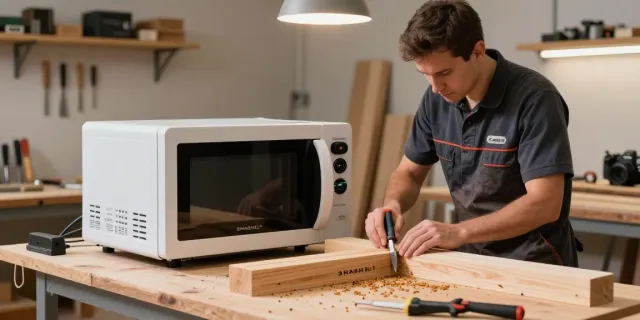
Various types of equipment ranging from heavy machinery, industrial tools, vehicles, to residential appliances can receive equipment service tailored to their specific needs.
How can I tell if my equipment needs servicing?
Signs that your equipment may need service include unusual noises, decreased performance, warning lights on control panels, and visible wear or damage.
Is regular equipment servicing really necessary?
Yes, regular servicing helps prevent unexpected breakdowns, enhances operational efficiency, and extends the lifespan of equipment, saving costs in the long run.
Can I perform equipment service myself?
While minor maintenance can be done personally, it's recommended to hire professionals for more complex servicing to ensure safety and compliance with manufacturer guidelines.