
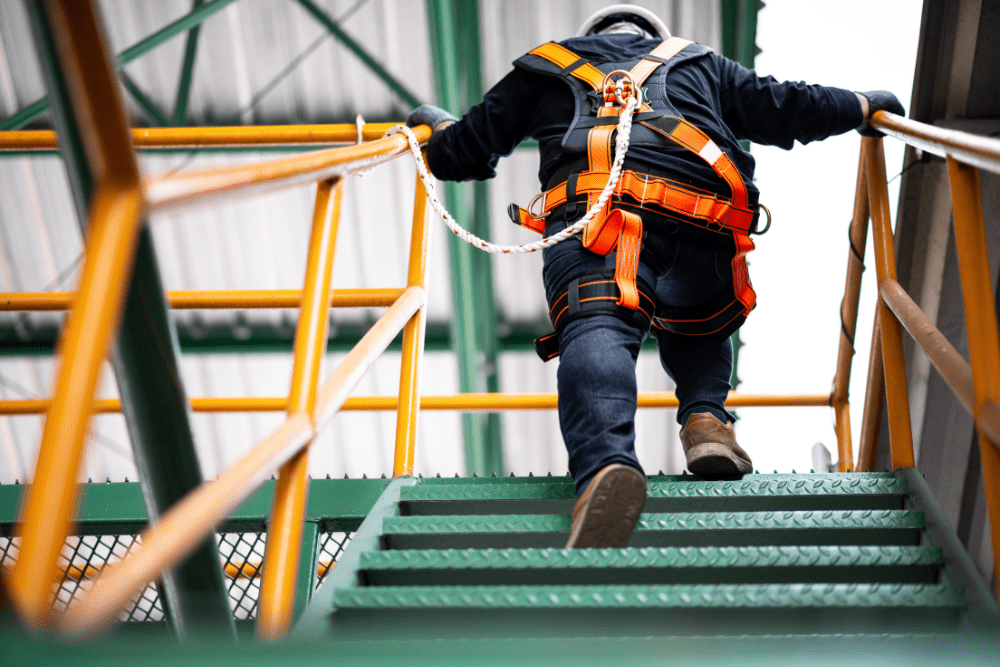
Understanding the foundation of construction safety Oahu
Construction safety oahu is not achieved through equipment alone, nor is it maintained through written policies without enforcement. It begins fundamentally with proper training that equips workers, supervisors, and site leaders with the knowledge and practical skills needed to recognize hazards and respond correctly in real-world conditions.
Within ABC Hawaii’s framework, construction safety oahu is treated as a competency-driven system where training is the entry point for every safe action on a jobsite. Without structured education, even experienced crews can develop unsafe habits that increase risk over time.
Proper training ensures that construction safety oahu is embedded into daily decision-making, not treated as an afterthought or administrative requirement.
Why training defines safety performance
The effectiveness of construction safety oahu is directly linked to how well individuals understand risk, procedures, and jobsite dynamics. Training provides the mental models workers rely on when facing unpredictable conditions.
ABC Hawaii emphasizes that construction safety oahu depends on consistent reinforcement of correct practices so that safe behavior becomes instinctive rather than optional.
Core training areas that support construction safety Oahu
Construction safety oahu relies on multiple training disciplines that address both general safety principles and job-specific risks. These training areas ensure that every worker is prepared for the conditions they will face in the field.
A well-designed training system covers regulatory compliance, hazard recognition, emergency response, and equipment handling. Each component contributes to strengthening construction safety oahu across different types of projects.
OSHA compliance training as a baseline
OSHA training forms the foundation of construction safety oahu by establishing minimum safety standards that all workers must understand and follow. This includes knowledge of fall protection, scaffolding safety, trenching procedures, and electrical hazard awareness.
Through structured OSHA-based education, construction safety oahu ensures that workers are not operating blindly but are instead guided by established national safety requirements adapted to local jobsite conditions.
Site-specific hazard awareness
Beyond general compliance, construction safety oahu requires training tailored to specific jobsite conditions. Every project presents unique risks based on location, structure type, weather exposure, and equipment use.
Proper training helps workers identify these site-specific hazards early, allowing construction safety oahu to function as a preventive system rather than a reactive one.
How ABC Hawaii strengthens construction safety Oahu through training
ABC Hawaii plays a central role in advancing construction safety oahu by offering structured training programs designed for real industry needs. These programs combine classroom instruction, online learning, and practical field-based education.
The goal is to ensure that construction safety oahu is accessible to all workers regardless of experience level or schedule constraints, while still maintaining high standards of instructional quality.
Flexible learning formats for modern crews
Construction safety oahu training must adapt to the realities of active construction schedules. ABC Hawaii supports this by offering both in-person and online learning options.
This flexibility ensures that construction safety oahu education does not delay project timelines while still maintaining consistent training standards across the workforce.
Instructor-led industry expertise
A key strength of ABC Hawaii’s approach to construction safety oahu is the involvement of experienced industry professionals as instructors. These experts bring real-world insights that go beyond theoretical instruction.
This practical perspective helps workers better understand how construction safety oahu principles apply in actual field conditions, improving retention and application of safety knowledge.
The connection between training and jobsite behavior
Proper training directly influences how workers behave on active job sites. Construction safety oahu depends on consistent behavior patterns that are reinforced through repetition and supervision.
When training is effective, workers are more likely to follow procedures, use protective equipment correctly, and communicate hazards before they escalate into incidents.
Building hazard recognition skills
One of the most important outcomes of training in construction safety oahu is improved hazard recognition. Workers learn to identify unsafe conditions such as unstable surfaces, exposed wiring, or improper equipment use.
This awareness allows construction safety oahu to function proactively, reducing the likelihood of accidents before work even begins.
Encouraging accountability at every level
Training also reinforces personal accountability, which is essential for maintaining construction safety oahu standards. Every worker is responsible not only for their own safety but also for contributing to the safety of the entire team.
ABC Hawaii emphasizes that construction safety oahu is most effective when accountability is shared across all levels of the organization.
Emergency preparedness as a critical training component
Emergency response training is a vital part of construction safety oahu because construction environments often involve unpredictable risks. Proper preparation ensures that crews can respond quickly and effectively during emergencies.
Training in this area covers evacuation procedures, first aid response, communication protocols, and incident reporting systems.
Rapid response and decision-making skills
In emergency situations, construction safety oahu depends on how quickly and accurately workers can respond. Training helps develop these decision-making skills so that responses are immediate and appropriate.
This reduces the severity of incidents and improves overall site resilience.
Communication during critical events
Effective communication is essential during emergencies. Construction safety oahu training ensures that workers understand how to relay information clearly and follow established communication chains.
This coordination is critical for minimizing confusion and ensuring that emergency procedures are executed efficiently.
Leadership training and its impact on construction safety Oahu
Leadership plays a major role in shaping construction safety oahu outcomes. Supervisors and managers must be trained not only in safety procedures but also in how to enforce and communicate them effectively.
Without strong leadership training, even well-designed safety systems can fail at the implementation stage.
Supervisory responsibility in safety enforcement
Construction safety oahu relies heavily on supervisors who actively monitor jobsite conditions and correct unsafe behavior. Training prepares them to recognize violations and take appropriate corrective action.
This ensures that safety standards are consistently upheld throughout the project lifecycle.
Creating a safety-first mindset in teams
Leaders trained under construction safety oahu programs are better equipped to create a culture where safety is prioritized in every decision.
This mindset influences team behavior and reinforces the importance of following established procedures without exception.
Long-term benefits of proper training for construction safety Oahu
Investing in proper training delivers long-term benefits that extend beyond immediate compliance. Construction safety oahu becomes more effective over time as workers gain experience and reinforce learned behaviors.
Well-trained teams are more efficient, make fewer mistakes, and contribute to smoother project execution.
Reduced incidents and improved efficiency
One of the most measurable benefits of training in construction safety oahu is the reduction of workplace incidents. Fewer accidents lead to less downtime and improved productivity.
This creates a more stable working environment where projects can proceed without unnecessary interruptions.
Stronger workforce development
Training also contributes to workforce development by improving skill levels across the industry. Construction safety oahu becomes part of professional growth, helping workers advance in their careers.
This strengthens the overall labor pool and improves the quality of construction across Oahu.
Conclusion
Construction safety oahu begins with proper training because training shapes the knowledge, behavior, and decision-making skills that define safe jobsite operations. Without it, safety systems lack consistency and effectiveness.
ABC Hawaii reinforces construction safety oahu through structured education programs that combine regulatory compliance, practical skills, and leadership development. This ensures that every worker is equipped to contribute to a safer work environment.
As construction continues to evolve in complexity, the role of training in construction safety oahu will remain central to protecting workers, improving performance, and maintaining industry standards across Oahu.