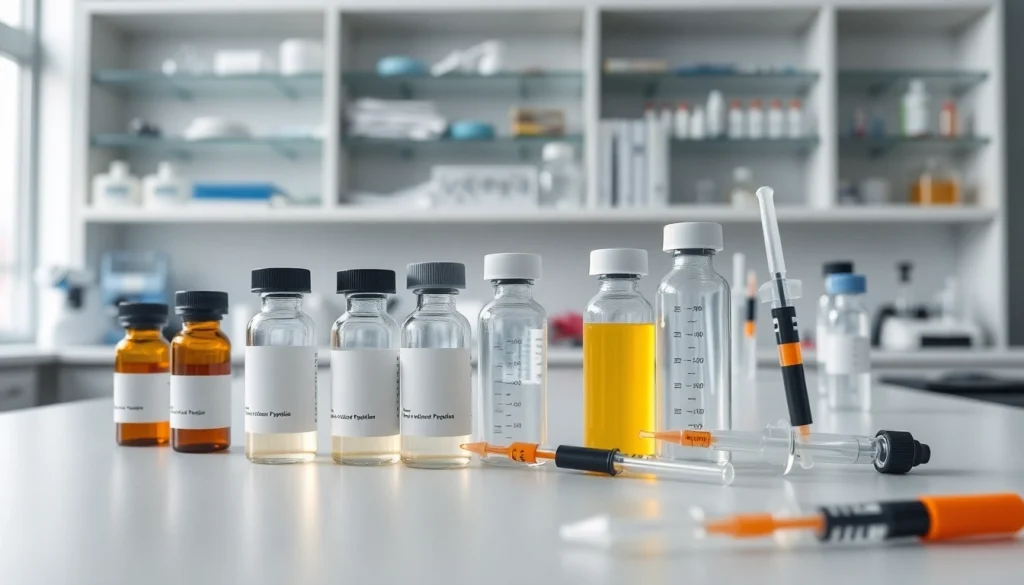
Understanding GLOW Peptide: Composition and Benefits
The GLOW Peptide Blend, specifically in its 70MG formulation, represents a cutting-edge advancement in the realm of laboratory-based research. This meticulously crafted compound is synthesized for optimal purity and efficacy, tailored to meet the rigorous demands of advanced in-vitro laboratory research and tissue analysis protocols. It has quickly emerged as a focal point within various scientific communities due to its potential applications concerning cellular wellness, oxidative stress response, and peptide signaling pathways. As research continues, the interest in glow peptide blends is set to expand, driven by emerging studies aimed at understanding its multifaceted benefits.
What is GLOW Peptide?
GLOW Peptide is formulated as a multi-compound research blend designed to facilitate advanced investigations into peptide interactions and biological functions. It typically consists of a mixture of bioactive peptides that have been shown to support cellular processes related to skin health, tissue regeneration, and metabolic function. The blend is created to provide researchers with a reliable tool for studying how these peptides can influence various biological pathways, particularly those involved in cellular signaling and regeneration.
Key Components of the GLOW Peptide Blend
This innovative peptide blend often includes key components that play significant roles in biological processes. While the exact formulation may vary, common constituents typically involve:
- GHK-Cu: A copper peptide known for its healing and anti-inflammatory properties.
- BPC-157: A peptide that is linked to enhanced body healing and recovery processes.
- TB-500: A peptide that promotes regeneration and reduces inflammation.
Research indicates that each component contributes uniquely to the overall efficacy of the GLOW Peptide Blend, making it a versatile candidate for laboratory studies focused on regenerative and developmental biology.
Potential Benefits in Laboratory Research
The GLOW Peptide Blend is frequently explored for its potential benefits in several key research areas:
- Cellular Wellness: Studies suggest it may enhance cellular health by stimulating regenerative processes and promoting cellular signaling.
- Oxidative Stress Response: The blend is under investigation for its potential to mitigate oxidative stress, which is a contributing factor in various pathologies.
- Peptide Signaling: Researchers are actively studying how GLOW Peptides can influence signaling pathways that regulate biological functions, including skin rejuvenation and metabolic activity.
Applications of GLOW Peptides in Research
The applications of GLOW Peptides extend into diverse fields, notably in the study of cellular health and regenerative medicine. As interest in peptide research grows, understanding how these compounds interact within biological systems becomes increasingly pertinent.
Exploring Cellular Wellness with GLOW Peptide
Cellular wellness is vital for maintaining overall organism health. GLOW Peptides are being investigated for their ability to enhance cellular repair mechanisms. This is particularly relevant in contexts where cellular decay or damage is prevalent, such as in age-related studies and regenerative therapies. By promoting cellular health, GLOW Peptides may facilitate a better understanding of aging processes and potential interventions.
Impact on Oxidative Stress Response
Oxidative stress arises from an imbalance between free radicals and antioxidants in the body. GLOW Peptides are being researched for their potential to modulate this stress, enhancing the body's resilience against oxidative damage. This capability holds promise for developing therapeutic strategies aimed at diseases related to oxidative stress, including cardiovascular and neurodegenerative conditions.
Peptide Signaling Mechanisms
The mechanism by which GLOW Peptides signal within biological systems is a critical area of investigation. Understanding how these peptides interact with receptors and influence cellular responses can provide insights into their potential therapeutic applications. This research is pivotal for advancing regenerative medicine and developing effective treatments for various ailments.
Quality Assurance: Certificate of Analysis and Testing
Ensuring the integrity and effectiveness of research peptides is paramount. The GLOW Peptide Blend undergoes rigorous testing to guarantee that it meets the highest standards of purity and quality.
The Importance of HPLC in Peptide Verification
High-Performance Liquid Chromatography (HPLC) is a cornerstone technique used to analyze the purity of peptides. This method allows for the separation and identification of compounds within a mixture, thereby ensuring that the GLOW Peptide Blend is free from contaminants and meets the specified purity criteria. By using HPLC, researchers can trust that they are working with authentic materials, facilitating reliable experimental outcomes.
Mass Spectrometry for Authenticity Check
Mass spectrometry complements HPLC by providing detailed molecular weight information and structural analysis of peptides. This technique is invaluable for confirming the identity of the compounds present in the GLOW Peptide Blend. By verifying the authenticity of these peptides, researchers can avoid potential pitfalls associated with using substandard materials in their studies.
Understanding Certificates of Analysis
A Certificate of Analysis (CoA) provides essential information regarding the composition and quality of research peptides. Each batch of the GLOW Peptide Blend comes with a CoA, detailing the results of HPLC and mass spectrometry tests. This transparency allows researchers to have confidence in the materials they are using, which is crucial for reproducibility and accuracy in their work.
Regulatory Considerations for GLOW Peptides
As the field of peptide research evolves, it is critical to navigate the regulatory landscape surrounding these compounds, especially concerning their intended use in laboratory settings.
Research-Only Use Guidelines
All formulations of GLOW Peptides are strictly designated for research purposes only. They are not intended for human consumption, medical use, cosmetic application, or therapeutic practices. Adhering to research-only guidelines ensures compliance with regulatory standards and helps maintain the integrity of scientific investigations.
Safety Protocols in Laboratory Environments
Working with research compounds necessitates implementing stringent safety protocols. Laboratories must establish guidelines for handling, storage, and disposal of GLOW Peptides to safeguard researchers and maintain environmental integrity. Training personnel in these protocols is essential for promoting a safe research atmosphere.
Future Regulatory Trends for Research Compounds
As scientific inquiry into peptides and their potential applications grows, regulatory frameworks may evolve to address new challenges and opportunities. It is vital for researchers to stay informed about these trends, which could shape how peptide compounds are developed and utilized in the future.
Future of GLOW Peptide Research: Trends and Innovations
The future of GLOW Peptide research is promising, particularly as innovative methodologies and technologies emerge. Researchers are poised to uncover new insights into the biological roles of peptides in various systems.
Emerging Studies in Skin and Cellular Metabolism
Ongoing research is likely to focus on the integration of GLOW Peptides in skin health and overall cellular metabolism. Investigations may reveal novel pathways through which these peptides can influence skin rejuvenation processes, leading to breakthroughs in dermatological science.
The Role of GLOW Peptides in Regenerative Medicine
Regenerative medicine is rapidly evolving, with GLOW Peptides positioned as potential therapeutic agents. Their ability to modulate cellular processes could lead to innovative treatments for injuries and degenerative diseases, thus reshaping approaches in regenerative therapies.
Predictions for 2026 Research Directions
Looking ahead to 2026, it is anticipated that research involving GLOW Peptides will expand significantly. Scholars may direct their efforts toward understanding the long-term effects of these peptides in various biological contexts. Such studies are crucial for advancing the foundational knowledge that will drive future therapeutic developments.
What are the benefits of glow peptide?
The GLOW Peptide Blend is associated with numerous potential benefits, particularly in research scenarios focusing on cellular health, oxidative stress modulation, and understanding peptide signaling mechanisms. These benefits position it as a valuable asset for laboratory explorations.
How do you use glow peptides in research?
GLOW Peptides are integrated into experimental designs as per the study requirements, typically involving in-vitro applications to investigate cellular interactions and responses. Careful dosage and adherence to safety protocols are critical for successful outcomes.
What should you know about glow peptide dosage?
Determining the appropriate dosage of GLOW Peptides for research purposes demands careful consideration of the specific experimental setup and desired outcomes. Researchers should consult relevant literature and adhere to established guidelines to ensure precise administration.
Are there side effects related to glow peptides?
While GLOW Peptides are extensively tested for purity and efficacy, potential side effects should be approached with caution. As these peptides are for research use only, any adverse effects are typically evaluated within the specific context of laboratory experiments.
How is glow peptide purity verified?
Purity verification of GLOW Peptides is achieved through rigorous testing methods, including HPLC and mass spectrometry. These analytical techniques ensure that the compounds meet the necessary quality standards for effective research applications.