Introduction to Research Peptides
Peptides have emerged as crucial components in medical research, driving innovative therapies and interventions in various health domains. Defined as short chains of amino acids linked by peptide bonds, these molecules play a pivotal role in numerous biological processes. In recent years, the spotlight has significantly turned towards specific peptides with remarkable properties, such as ghk-cu, which has captured the attention of researchers and practitioners alike.
What are Peptides?
Peptides are molecules made of amino acids, which are the building blocks essential for protein formation. They vary in size, with small peptides containing fewer than 50 amino acids. Their structures allow them to act as signaling molecules, influencing various body functions such as hormone regulation, immune response, and cellular repair processes. As such, peptides have become increasingly valuable in therapeutic applications, particularly within the realm of regenerative medicine.
Types of Research Peptides
Research peptides can be categorized based on their functions, such as hormonal peptides (e.g., insulin), antimicrobial peptides (AMPs), signaling peptides (like GHK-Cu), and therapeutic peptides designed for targeted applications. Additionally, they can be synthetic or naturally occurring; synthetic peptides offer customization advantages for specific research applications, while naturally occurring peptides have established biological roles that researchers tap into for developing treatments.
Importance of Peptides in Modern Medicine
The significance of peptides in modern medicine cannot be understated. Their ability to mimic the functions of proteins allows them to carry out various biological activities, leading to innovations in drug development. Peptides are recognized for their high specificity and low toxicity, making them suitable candidates for various treatments, including cancer, metabolic disorders, and age-related conditions. Their versatility paves the way for exciting research opportunities and the potential for groundbreaking medical advancements.
Understanding GHK-Cu
Mechanism of Action
GHK-Cu, or Copper Peptide GHK, is a naturally occurring tri-peptide that plays a vital role in wound healing, tissue regeneration, and inflammation control. It functions by binding to copper ions, enhancing the peptide's therapeutic potential. GHK-Cu activates various cellular pathways that stimulate the production of collagen and glycosaminoglycans, essential for skin health and repair. Additionally, it possesses antioxidant properties, protecting cells from oxidative stress and promoting overall cellular health.
Benefits of GHK-Cu in Health
GHK-Cu offers a plethora of health benefits, particularly in dermatology and regenerative medicine. Its ability to promote skin repair and rejuvenation makes it an effective treatment for wounds, scars, and even acne. Moreover, GHK-Cu has been shown to improve skin elasticity and reduce the appearance of fine lines and wrinkles, earning it a place in anti-aging skincare formulations. Beyond skincare, its systemic benefits include enhanced muscle growth, improved immune response, and potential support in neuroprotection.
Research Findings on GHK-Cu
Extensive research has showcased GHK-Cu's multifaceted benefits. Studies indicate that GHK-Cu promotes dermal fibroblast migration and proliferation, crucial for wound healing. Clinical trials have also demonstrated its efficacy in reducing scar tissue and enhancing field of skin repair. Furthermore, animal studies suggest potential role in hair regrowth, elevating GHK-Cu's profile in cosmetic and therapeutic applications. As more research unfolds, the full spectrum of GHK-Cu's properties continues to offer new avenues within medical fields.
Applications of Peptides in Therapy
Peptides in Regenerative Medicine
Peptides like GHK-Cu play a transformative role in regenerative medicine, focusing on restoring function and vitality to damaged tissues. Their ability to stimulate cellular regeneration makes them prime candidates in treating degenerative diseases and injuries. Research shows that peptides can facilitate bone growth, enhance muscle repair, and improve vascular health. They are also being explored in conjunction with stem cell therapies, allowing for diverse and innovative therapeutic approaches to complex medical conditions.
Peptides for Skin Health
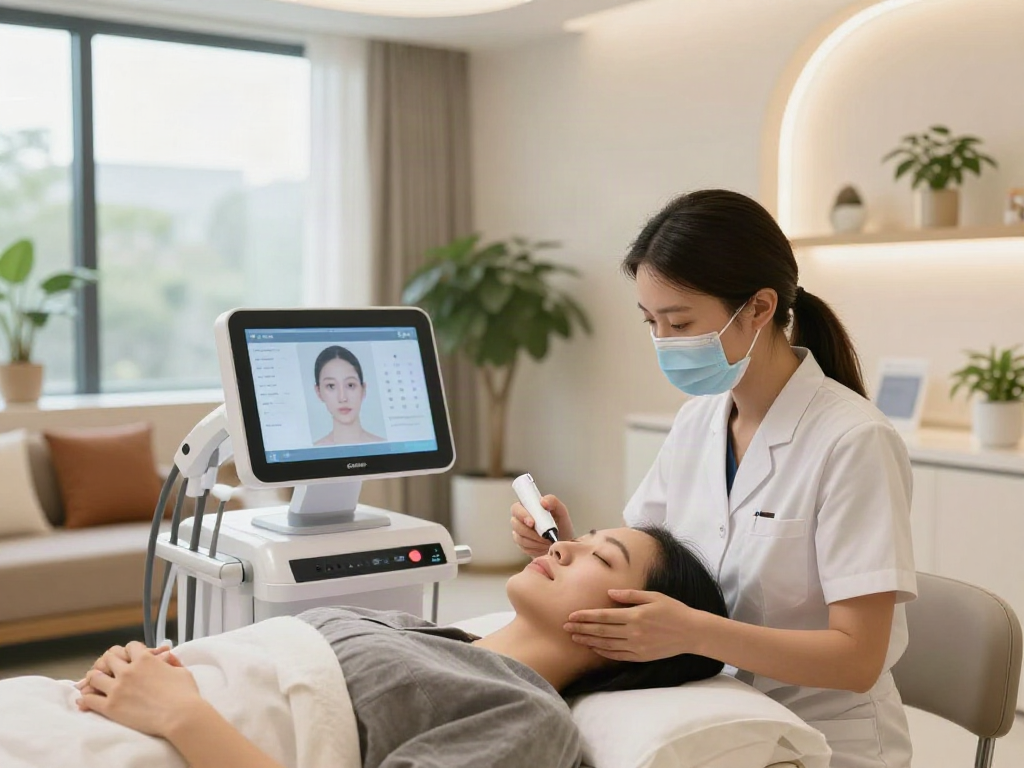
In the realm of dermatology, peptides are revolutionizing skincare treatments. They are utilized in formulations aimed at enhancing skin hydration, elasticity, and overall health. GHK-Cu, in particular, stands out for its ability to improve skin integrity and reduce aging effects. Many skincare products now incorporate peptides to harness their regenerative properties, making them effective in addressing skin concerns such as dryness, pigmentation, and fine lines. This trend points towards a more scientific and effective future in skincare development.
Potential in Anti-Aging Treatments
The aging process impacts skin texture, firmness, and overall health. Peptides, especially GHK-Cu, have shown promising potential in reversing some of these signs. By stimulating collagen synthesis and enhancing skin repair mechanisms, peptides offer a natural alternative to invasive anti-aging treatments. They pave the way for innovations in non-invasive procedures, allowing individuals to maintain youthful skin appearances holistically and sustainably. Research into their long-term benefits continues, supporting the case for their role in anti-aging therapies.
Administering Research Peptides
Methods of Peptide Delivery
The administration of research peptides can vary, with common methods including subcutaneous injections, intramuscular injections, and topical applications. Each method has its benefits, depending on the intended effect and target area. Subcutaneous injections offer rapid absorption and systemic effects, while topical applications allow for localized treatment, particularly for skin health. Understanding the delivery mechanism is crucial for maximizing the therapeutic benefits of peptides.
Dosage Guidelines for GHK-Cu
Determining the appropriate dosage for GHK-Cu can significantly impact its efficacy and safety. Research suggests varying dosages depending on the treatment aim. Typically, doses can range from 2 to 10 mg per day, administered either through injection or topical application. However, personalized recommendations based on individual health conditions and treatment objectives are advisable to optimize results thoroughly.
Safety and Side Effects
While GHK-Cu presents a favorable safety profile, understanding potential side effects is crucial for informed decisions. Most individuals tolerate it well, experiencing minimal adverse effects. However, some may report minor irritation at the application site or transient allergic reactions. Consulting with healthcare professionals before commencing any peptide treatment is prudent to address individual health concerns and avoid complications effectively.
Future of Peptides in Medical Research
Trends in Peptide Research
Peptide research is rapidly evolving, with emerging trends focusing on personalized medicine and targeted therapies. Researchers are exploring the unique properties of peptides and their potential to address specific conditions and requirements effectively. Advances in bioinformatics and proteomics are enabling better understanding and identification of novel peptides, driving innovative therapeutic options in various medical fields.
Emerging Peptides for Targeted Treatments
The quest for new peptides continues, with researchers discovering peptides with targeted effects applicable across myriad medical disciplines. These include anti-cancer peptides, antimicrobial peptides, and those aimed at metabolic disease management. The emergence of novel peptides allows for tailored treatment options, anticipating future applications that address previously challenging medical conditions and improving patient outcomes.
Potential Challenges and Solutions
Despite the promising outlook for peptide research, challenges remain in areas such as stability, bioavailability, and cost-effective production. Addressing these challenges necessitates continued research focused on developing more stable formulations and effective delivery systems. Collaborations between academic institutions and biotechnology companies can facilitate advancements, ensuring that the therapeutic benefits of peptides reach those in need, fostering patient health and wellbeing.
Frequently Asked Questions
What is GHK-Cu used for?
GHK-Cu is primarily used for skin health, wound healing, and anti-aging due to its collagen-stimulating properties.
How is GHK-Cu administered?
GHK-Cu can be administered via subcutaneous injections, intramuscular injections, or topical applications, depending on the desired outcome.
Is GHK-Cu safe to use?
Yes, GHK-Cu is generally considered safe, with minimal side effects reported, though individual responses may vary.
How long does it take to see results from GHK-Cu?
Results can vary based on the application method; however, many users notice improvements in skin texture and healing within a few weeks.
Can GHK-Cu help with hair loss?
Preliminary studies have shown that GHK-Cu may stimulate hair regrowth, making it a potential candidate for addressing hair loss issues.