
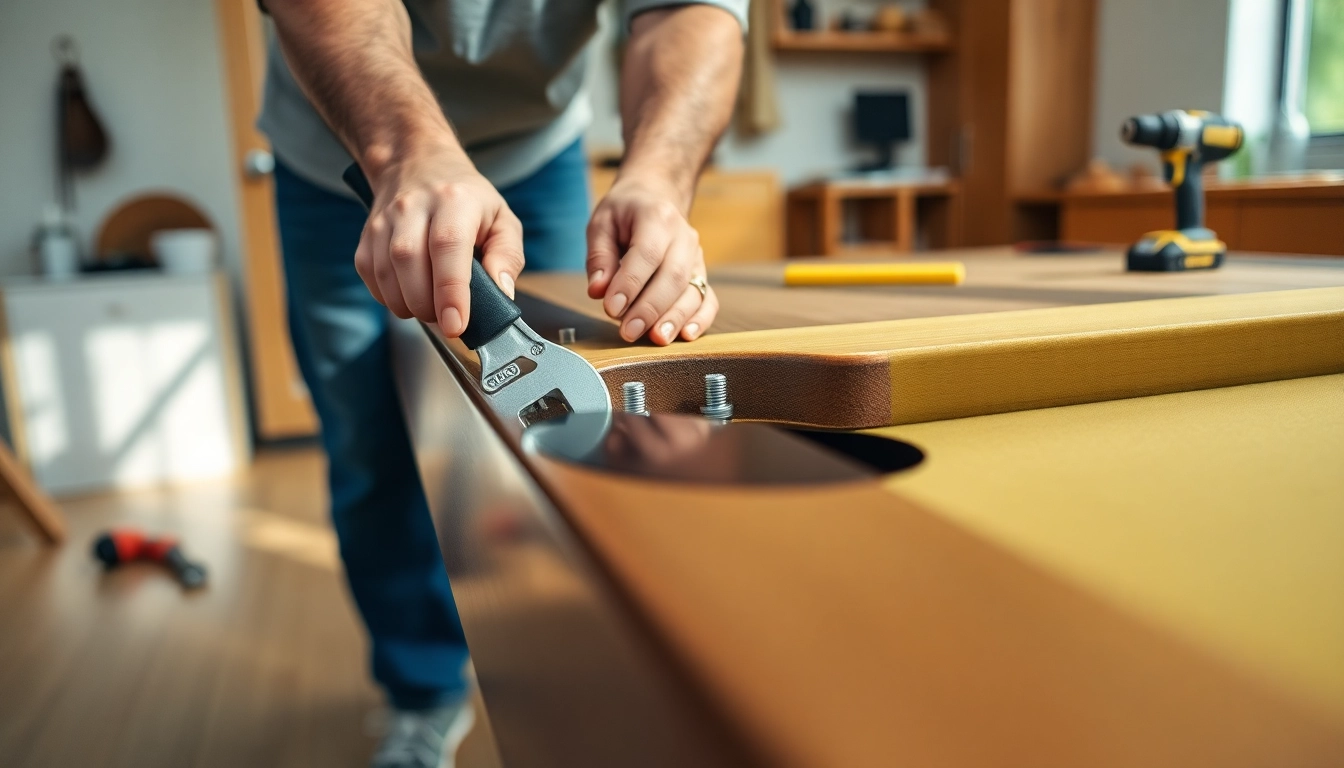
Understanding Pool Table Disassembly
What is Pool Table Disassembly?
Pool table disassembly refers to the careful process of taking apart various components of a pool table to facilitate relocation, storage, or repair. It involves detaching elements such as the legs, rails, pockets, and the slate, ensuring that each piece is removed without damage. Proper disassembly is crucial because pool tables are heavy, and their structure can be complex. Engaging in Pool Table Disassembly helps maintain the integrity of each component for future reassembly.
Why Disassemble Your Pool Table?
Disassembling your pool table may be necessary for several reasons:
- Relocation: Moving to a new home requires disassembly to fit the table properly through doorways.
- Repair or Maintenance: Accessing the interior components for repairs or replacements often necessitates disassembly.
- Storage: If you need to store your pool table, disassembly allows for more compact and protective storage.
- Transportation: Proper disassembly is vital for safe transport; heavy components can cause damage if moved incorrectly.
Tools Required for Pool Table Disassembly
To disassemble a pool table successfully, you will need the following tools:
- Socket Wrench: Useful for removing bolts from various components.
- Power Drill: Helpful in loosening tightly secured parts.
- Staple Remover: Needed for removing staples that hold the felt in place.
- Pry Bar: Can assist in carefully lifting slate panels when needed.
- Screwdriver: Generally required to detach pockets and some fasteners.
- Measuring Tape: Ensures you have proper measurements for transport or reassembly.
Step-by-Step Process to Disassemble a Pool Table
Initial Preparations and Safety Measures
Before proceeding with disassembly, preparation is key to a smooth process:
- Clear the Area: Ensure the area around the pool table is free from obstacles.
- Gather Tools: Collect all required tools to avoid interruptions during the disassembly process.
- Document Your Setup: Take pictures of the pool table’s current configuration; this will help guide reassembly.
- Wear Safety Gear: Consider wearing gloves to protect your hands and safety glasses to guard against debris.
Removing Accessories and Pockets
The first step in disassembling your pool table is to remove all accessories and pockets. Follow these steps:
- Remove the Items: Clear the table of all items like cues, balls, and any personal belongings.
- Detach the Pockets: Unscrew or unclip the pockets from the bottom of the table. Keep the screws in a labeled bag for easy reassembly.
- Remove the Felt: Carefully peel back the felt from the surface, removing any staples that secure it. Use the staple remover for this task.
Unbolting the Rails and Legs
Once the accessories are out of the way, proceed to remove the rails and legs:
- Unscrew the Rail Bolts: Use a socket wrench to unbolt the rail components, ensuring to label them for later.
- Remove Corner Miters: If applicable, remove corner miters by unscrewing them and keeping them aside safely.
- Detach the Legs: Unscrew the legs from the main body of the table. Depending on the weight, you may need another person to help support the table.
Removing the Slate
With the table legs and rails removed, you're ready to tackle the slate:
- Support the Slate: Use a friend or assistant to help lift the slate. This piece is very heavy, typically weighing between 200-400 lbs.
- Unfasten the Slate Bolts: Remove the bolts securing the slate panels to prevent any shifting.
- Carefully Lift Off the Slate: Once bolts are removed, lift the slate section carefully and place it on a padded surface to avoid chipping or breaking.
Common Challenges in Pool Table Disassembly
Dealing with Stuck Bolts and Staples
It's common to encounter stubborn bolts or staples during disassembly:
- Use Penetrating Oil: Apply penetrating oil to stuck bolts and let it sit for a while before attempting to unscrew.
- Utilize Heat: Carefully apply heat using a heat gun to expand the metal and help loosen stubborn nuts.
- Use a Staple Puller: For hardened staples, a staple puller can provide a better grip than a regular claw tool.
Handling Heavy Slate Panels
Slate panels can be heavy, making careful handling essential:
- Team Effort: Always have an assistant when lifting slate pieces, as they can be unwieldy.
- Use Sliders: Consider using furniture sliders to move heavy slates over smooth surfaces without damage.
- Secure Storage: After removal, store slates horizontally and ensure they are cushioned to avoid chips or breaks.
Ensuring Safe Transport of Each Component
Transporting your disassembled pool table requires attention to detail:
- Padded Protection: Use blankets or padding around slate and wooden components to prevent scratches.
- Secure Components: Ensure that all components are firmly secured in your vehicle to avoid shifting during transit.
- Hire Professionals for Moving: Consider professional movers who specialize in handling heavy and delicate items if your DIY efforts could lead to unsafe situations.
Tips and Best Practices for Effective Disassembly
Documenting Your Steps for Reassembly
Documentation can save you substantial headaches during reassembly:
- Take Photos: As each component is removed, take clear photos from different angles. This visual reference will be invaluable later.
- Label Everything: Use masking tape to label each part and bag corresponding screws, which can prevent confusion during reinstallation.
- Write Down Instructions: Create a step-by-step written guide based on your disassembly process which can accelerate reassembly.
Storage Solutions for Disassembled Parts
Proper storage is critical to maintaining the quality of your pool table parts:
- Use Durable Containers: Store screws and small parts in labeled containers to avoid losing items.
- Avoid Moisture: Store parts in a dry place to prevent warping or mildew on wood components and fabrics.
- Stack with Care: For larger pieces like slates, always store them flat on a flat surface with protective padding.
Enlisting Help for Heavy Lifting
Heavy lifting is often necessary during disassembly:
- Ask a Friend: Having someone assist can make lifting heavy components safer and more manageable.
- Consider Professional Help: If you're uncertain about moving heavy parts, hiring professionals may save time and ensure safety.
- Use Equipment: Utilize dollies or hoists specifically designed for lifting heavy furniture to aid with the process.
FAQs About Pool Table Disassembly
How much does it cost to have a pool table disassembled?
The average cost for disassembly can be around $400, depending on the table type and location.
What tools do I need for pool table disassembly?
A wrench, power drill, staple remover, and pliers are typically required for effective disassembly.
How long does it take to disassemble a pool table?
Disassembly usually takes about 2-3 hours, varying by table size and expertise.
Can I disassemble a pool table by myself?
While it’s possible, for heavy tables or inexperienced users, seeking assistance is advisable for safety.
What should I do with the slate after disassembly?
Ensure the slate pieces are placed in a safe, protected area to prevent chipping or damage.