The Significance of Breton Culture in Today's Society
Breton culture, with its rich tapestry of traditions, languages, and practices, plays a pivotal role in enhancing the social fabric of modern society. As globalization continues to influence local identities, it becomes increasingly important to celebrate and preserve unique cultural heritages, like that of Brittany. The revival of interest in local customs fosters a sense of community, belonging, and pride among the Breton people. For those looking to explore the depths of this vibrant culture and its various expressions, resources such as เกมสล็อต can provide comprehensive insights into the ongoing initiatives aimed at revitalizing and promoting Breton arts and heritage.
Understanding Breton Heritage and Its Influence
Breton heritage is a blend of Celtic traditions, influences from historical migration, and unique local customs that have evolved over centuries. This cultural identity is deeply embedded in the daily lives of the Breton people, manifesting through language, music, dance, and arts. The Breton language, for instance, is not just a means of communication but a symbol of identity that enhances the sense of belonging to the community.
The influence of Breton heritage extends beyond its geographical borders, resonating with anyone who values the survival and flourishing of linguistic diversity and cultural practices across the globe. In a world where many cultures face the threat of extinction, the preservation of Breton traditions serves as an inspiration and a model for similar movements worldwide.
The Role of Festivals in Cultural Preservation
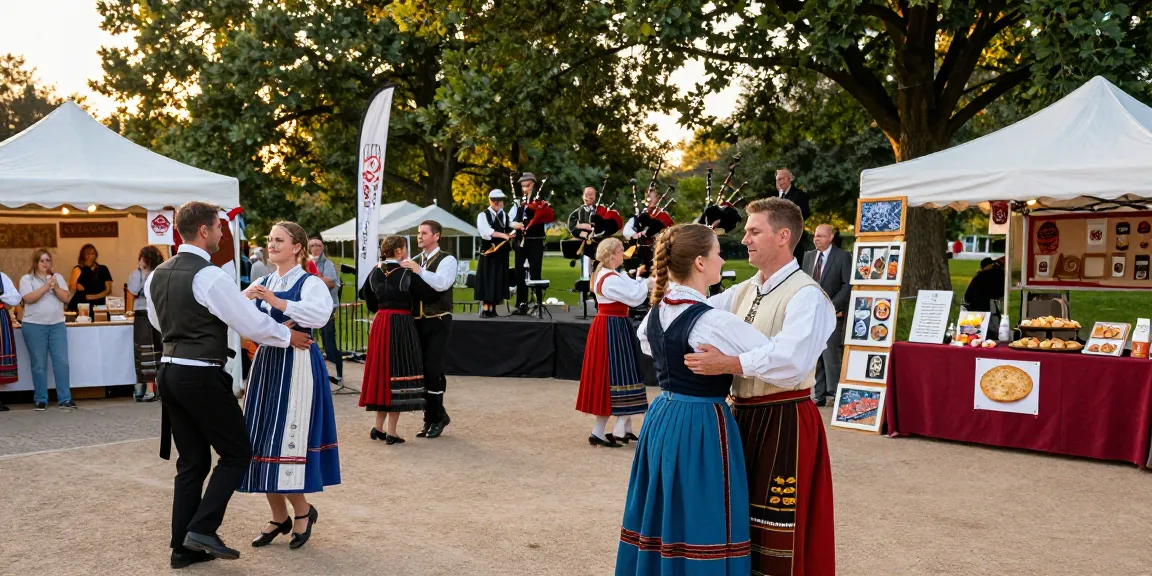
Festivals are vital in keeping Breton culture alive. Events like the Festival Interceltique de Lorient showcase the richness of Celtic traditions and bring together musicians, artists, and enthusiasts from various backgrounds. Such gatherings not only offer entertainment but also facilitate cross-cultural exchanges that enrich the participants' understanding of Breton heritage.
Moreover, local festivals, such as the Yaouank festival organized by Skeudenn Bro Roazhon, play a significant role in promoting youth engagement and community participation. These events are crucial in ensuring that younger generations have the opportunity to connect with their roots, learn traditional crafts, and appreciate the local arts scene.
Challenges Faced in Modern Cultural Identity
Despite its vibrant history, Breton culture faces several challenges in the modern landscape. Globalization poses a threat by overshadowing local identities with dominant cultures. Furthermore, younger generations may feel disconnected from their roots due to urbanization and the influence of digital media. It is essential to address these challenges proactively to ensure that Breton culture does not fade into obscurity.
Efforts to revitalize the language, promote traditional arts, and encourage community involvement in cultural practices are crucial. Educational initiatives, workshops, and festivals can nurture interest and pride in one's heritage, allowing Breton culture to thrive in contemporary society.
Exploring Traditional Breton Games and Their Modern Adaptations
Traditional Breton games are an integral part of the region’s cultural heritage, reflecting the community's values and social dynamics. These games not only serve as entertainment but also foster camaraderie and cultural identity. As society evolves, so too must these traditions. The challenge lies in adapting these games for modern audiences while maintaining their cultural significance.
Popular Breton Games and Their Histories
Breton games, such as kan-ha-diskan (sing and respond), and various types of traditional sports like tire-boudin (a local variant of tug-of-war), have been enjoyed for generations. These activities are often played during festivals and community gatherings, reinforcing social bonds within the community.
Understanding the history of these games provides insights into their significance. For example, kan-ha-diskan not only serves as a form of entertainment but also emphasizes the importance of oral tradition in preserving the Breton language and culture.
Adapting Traditional Games for Contemporary Audiences
To engage younger audiences, organizers are exploring innovative ways to modernize traditional games. This includes integrating technology, creating interactive experiences, and adapting the rules to make them more accessible. For instance, developing mobile applications or online platforms where people can learn and play these games can draw in a broader audience.
Moreover, collaboration with schools can promote these games as part of physical education, fostering an appreciation for Breton culture among students. Such adaptations can ensure that traditional games remain relevant in today’s fast-paced society while still honoring their heritage.
Integrating Technology: Online Platforms for Breton Games
The rise of digital media offers unique opportunities for the promotion of Breton games. Online platforms can serve as repositories for information about games, their histories, and instructions on how to play. Additionally, social networks can facilitate the organization of events and tournaments, creating a sense of community among players.
Online engagement not only boosts participation rates but also allows individuals from outside Brittany to connect with Breton culture, expanding its reach and influence.
Organizing Community Events: Best Practices
Successfully organizing community events requires careful planning and execution. From cultural festivals to local games, these events can dramatically enhance community spirit and cultural pride. Here are some best practices for creating successful community events centered around Breton culture.
Planning a Traditional Festival: Essential Steps
The planning phase is critical in organizing any successful event. Considerations should include selecting a suitable venue, securing permits, and planning the festival schedule. Engaging local stakeholders, including cultural organizations, artists, and community leaders, can enrich the event and enhance community involvement.
Establishing clear objectives for the festival is also essential. Whether the goal is to promote local arts, preserve traditions, or encourage community engagement, a focused approach ensures that the festival resonates with participants.
Engaging Local Artists and Participants
Involving local artists and craftspeople showcases the talent within the community and creates a sense of ownership over the event. Providing platforms for these artists to exhibit their work or perform helps foster local pride and encourages creative expression.
In addition to artists, engaging community members through workshops or participation in games can enhance the sense of community and ensure a more interactive experience.
Promotion Strategies for Cultural Events
Promotion is vital for ensuring a successful turnout at any event. Utilize social media platforms to reach potential participants and to share information regarding the festival's activities. Crafting engaging content that highlights the unique aspects of the event can attract a wider audience.
Partnerships with local media outlets can also enhance visibility. Press releases, interviews, and community bulletins can spread the word and generate excitement leading up to the festival.
Making Traditional Games Accessible to Everyone
Promoting accessibility within traditional games is essential to ensure that everyone can participate and enjoy these cultural activities. Implementing inclusive practices can lead to a more vibrant community where all voices are heard.
Inclusive Practices for Community Engagement
Creating inclusive environments involves considering the diverse needs of the community. This includes accommodating individuals with physical disabilities, as well as providing multilingual materials for those who may not speak the primary language. Hosting family-friendly events and ensuring that activities are suitable for all age groups can promote wider participation.
Additionally, involving community members in the planning process can help identify barriers to participation and develop strategies to overcome them.
Collaborating with Schools and Educational Institutions
Collaboration with educational institutions can facilitate the integration of Breton games into school curricula. This not only promotes cultural learning but also encourages teamwork and physical activity among students. Organizing school tournaments can spark interest and enthusiasm for traditional games from a young age, ensuring their continuation for future generations.
Utilizing Social Media to Reach a Broader Audience
Leveraging social media platforms to share stories, videos, and updates about traditional games can engage a wider audience. Encouraging participants to share their experiences online helps create a sense of community even beyond local gatherings. This also allows individuals who may be unable to attend events in person to connect with Breton culture and traditions.
Future Trends in Breton Culture and Game Development
As we move into 2026 and beyond, several trends are likely to shape the future of Breton culture and game development. Keeping up with these trends is crucial for ensuring the vitality and relevance of traditional practices.
Emerging Trends for 2026 and Beyond
The incorporation of technology in cultural practices will likely continue to expand. Virtual reality and augmented reality experiences may provide new ways to engage with traditional games and artistic expressions. Moreover, the rise of eco-friendly and sustainable practices in festivals and events will become increasingly important, aligning with global movements towards sustainability.
Community Feedback: Listening to Participants' Voices
Listening to community feedback is vital for the evolution of cultural practices. Regular surveys, feedback sessions, and open discussions can help organizers understand participants' needs and desires, ensuring that events remain relevant and engaging.
Incorporating feedback into future planning can lead to more innovative and participant-centered initiatives that resonate with both new and long-standing community members.
Innovative Ideas for Celebrating Breton Culture
Creative approaches to celebrating Breton culture could involve blending traditional practices with modern elements, such as collaborating with contemporary artists or exploring cross-cultural exchanges with other regions. Hosting international events could also expand the reach of Breton culture and attract diverse participants.
Furthermore, initiatives that encourage the archiving of personal stories and experiences related to Breton heritage can deepen the community’s understanding of its history and diverse narratives.
What are the key elements of Breton culture?
The key elements of Breton culture include its rich history, the Breton language, traditional music and dance, artisanal crafts, and community festivals. Together, these elements create a distinct cultural identity that celebrates both ancient traditions and contemporary expressions.
How can I get involved in Breton community festivals?
Getting involved in Breton community festivals can be done by attending local events, volunteering for organizing committees, or participating in workshops and activities. Many festivals welcome contributions from community members, making involvement accessible to all.
What modern adaptations exist for traditional Breton games?
Modern adaptations of traditional Breton games often involve simplifying rules, creating digital versions, or integrating technology to enhance engagement. These adaptations aim to attract younger audiences while maintaining the cultural significance of these games.
Why is it important to promote Breton culture today?
Promoting Breton culture today is essential for preserving a unique identity in an increasingly homogenized world. It fosters community pride, encourages cultural diversity, and offers a platform for artistic expression, ensuring that future generations can connect with their heritage.
How can technology enhance cultural participation?
Technology can enhance cultural participation through digital platforms that facilitate engagement, provide educational resources, and enable remote participation in events. Virtual and augmented reality experiences can also deepen connections to cultural practices by offering immersive learning opportunities.