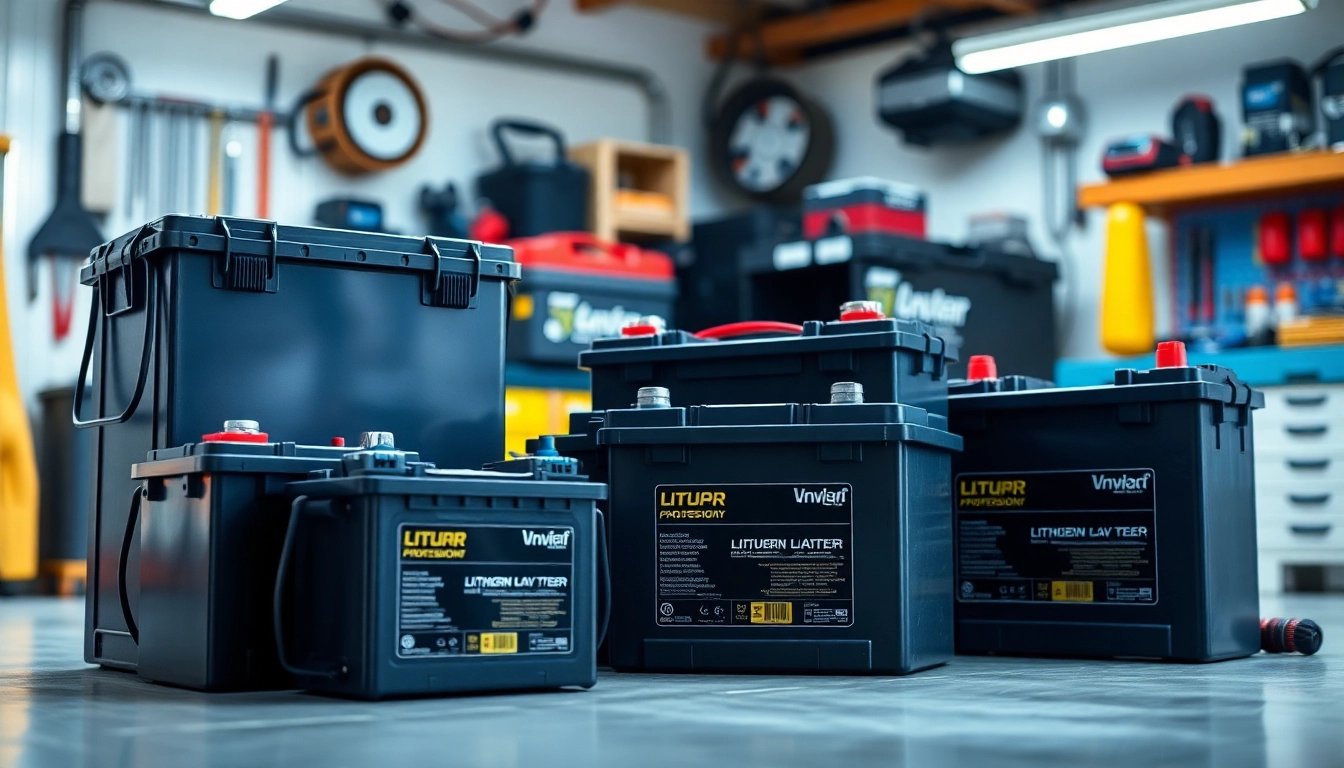
The Advantages of Lithium RV Batteries
Switching to lithium RV batteries can significantly enhance the overall experience of any RV adventure. Unlike traditional lead-acid batteries, lithium batteries offer remarkable advantages that cater to the needs of modern RV enthusiasts. In this section, we'll discuss the key advantages that make lithium RV batteries an essential upgrade for anyone looking to improve their power systems on the road.
Increased Lifespan and Durability
Lithium RV batteries are known for their extraordinary lifespan, which can exceed 10 years or more under proper usage. In contrast, traditional lead-acid batteries typically last only 3 to 5 years. This longevity is primarily due to the chemistry of lithium batteries, which is less susceptible to deep discharge cycles and provides superior energy density. Consequently, RV owners save both time and money by reducing the frequency of battery replacements and the associated hassle of disposal.
Weight Benefits Compared to Traditional Batteries
One of the most pronounced benefits is the weight difference. Lithium RV batteries generally weigh significantly less than their lead-acid counterparts. For instance, a lithium battery can weigh about 50% less than a traditional battery with equivalent capacity. This reduction in weight translates to improved fuel efficiency and enhanced vehicle handling, making it easier to navigate on various terrains. Moreover, the lighter load allows for increased cargo capacity, which is invaluable on extended journeys.
Improved Safety Features of Lithium RV Batteries
Safety concerns are paramount when it comes to RV power systems. Lithium RV batteries feature built-in safety mechanisms to prevent overheating, short-circuiting, and overcharging. Many models include Battery Management Systems (BMS) that monitor voltage, temperature, and current to ensure optimal performance. Unlike traditional batteries, lithium batteries do not emit harmful gases and are less prone to leaking. This makes them a safer choice for both onboard use and environmentally conscious RV enthusiasts.
Navigating the Types of Lithium RV Batteries
Understanding the various types of lithium RV batteries available on the market is crucial for making an informed choice that meets your specific needs. In this section, we’ll explore the most common types of lithium batteries, their voltage options, and how they fit into different RV models.
Understanding LiFePO4 Batteries
LiFePO4, or lithium iron phosphate, is the most widely used lithium battery type for RV applications. Known for their thermal stability and high safety standards, LiFePO4 batteries are capable of delivering consistent power output. They also have a higher tolerance for both high and low temperatures, making them an excellent choice for varying climates. Furthermore, their ability to withstand hundreds of charge cycles without significant degradation makes them a reliable option for extended travel.
Choosing Between 12V, 24V, and 48V Batteries
The voltage requirement for lithium RV batteries depends largely on the energy consumption of your RV's systems. Here’s a brief overview:
- 12V Batteries: Ideal for small RVs and basic electrical systems, these batteries are suitable for lights, fans, and simple appliances.
- 24V Batteries: Used in larger RVs with more powerful appliance needs, 24V systems can handle larger loads and are increasingly common in newer RV models.
- 48V Batteries: Used primarily for heavy-duty systems and larger RVs, these batteries are excellent for high-energy devices such as air conditioners and water heaters.
Compatibility with Various RV Models
When selecting Vatrer Power lithium RV batteries, it’s essential to consider the compatibility with existing electrical systems. Many RV models are designed with specific battery types in mind. Before making a purchase, check the specifications of your RV and consult with a professional to ensure seamless integration. Most lithium battery manufacturers provide compatibility information, making it easier to match the right battery to your RV.
Installation Basics for Lithium RV Batteries
Installing lithium RV batteries can be a straightforward process if you follow the right steps. This section will outline the essential tools, the process for installation, and common pitfalls to avoid.
Essential Tools and Materials Needed
Before starting the installation, gather the necessary tools and materials. These include:
- Wrenches and socket sets
- Cable cutters and strippers
- Battery connectors and terminals
- Multimeter for voltage testing
- Safety gloves and goggles
Steps to Properly Install Your Lithium Battery
- Ensure the RV is off and disconnect any existing battery to avoid short-circuits.
- Lift the lithium battery into place and secure it using appropriate brackets to prevent movement during travel.
- Connect power cables from the battery to the RV’s electrical system, ensuring correct polarity (positive to positive, negative to negative).
- Test connections with a multimeter to verify the proper voltage is being delivered.
- Finally, double-check all connections, reassemble any panels, and turn on the RV to test the new battery system.
Common Mistakes to Avoid During Installation
Installation errors can lead to inefficiencies or even damage. Common mistakes include:
- Improper polarity connections, leading to potential system damage.
- Neglecting to secure the battery properly, risking movement and damage during travel.
- Not testing the system after installation, which can help identify issues early on.
Cost Considerations for Lithium RV Batteries
While the initial investment for lithium RV batteries can be higher compared to traditional batteries, understanding the long-term savings and factors influencing the price can clarify the value.
Initial Investment Versus Long-Term Savings
The upfront cost of lithium RV batteries can be significant. However, their extended lifespan and lower maintenance requirements can lead to cost savings over time. For frequent RV users, the higher initial investment may offset costs associated with shorter-lived lead-acid batteries. Additionally, lithium batteries usually offer more usable capacity than lead-acid batteries at similar ratings, enhancing overall value.
Factors Influencing Battery Price
The price of lithium RV batteries can vary due to several factors, including:
- Capacity: Higher capacity batteries typically command a higher price.
- Brand: Established brands may charge a premium for reputation and reliability.
- Features: Batteries equipped with advanced technologies, such as Bluetooth monitoring, can also be more expensive.
Financing Options for Upgrading Your Battery
Many RV owners may not have the budget to pay for lithium RV batteries outright. Financing options can allow users to spread the cost over time. Look for installment programs offered by retailers or inquire about financing through credit unions and banks. Some manufacturers may also offer payment plans that can ease the financial burden.
Maintenance and Care for Longevity
Maintaining your lithium RV batteries effectively can prolong their lifespan and ensure reliable performance. This section discusses essential upkeep routines and care tips.
Regular Check-Ups and Monitoring
Regular maintenance checks are necessary to keep your lithium batteries functioning optimally. Key aspects to monitor include:
- Battery voltage levels
- Physical condition for any signs of corrosion or damage
- Connections to ensure they remain tight and secure
Schedule routine inspections every few months, especially before heading out on long trips.
Storage Tips for Lithium RV Batteries
Proper storage can significantly affect the life of 12V 300Ah Lithium Battery. Here are some storage tips:
- Store batteries in a cool, dry place away from direct sunlight.
- Avoid letting batteries discharge completely; maintain a charge level of about 50% during storage.
- Use a protective cover or case to prevent dust accumulation and potential damage.
Signs Your Battery Needs Replacement
Awareness of the signs that indicate a battery may need replacement can save you from inconvenient power loss during trips. Look for:
- Significantly reduced capacity or run time
- Inconsistent voltage readings
- Visible physical deformation or damage to the battery cell
If you observe any of these signs, consult with a battery professional for evaluation.
FAQs
Are lithium batteries worth it for an RV?
Yes, especially for frequent travelers. They last up to three times longer and provide higher usable capacity compared to lead-acid batteries, making them more economical in the long term.
How long will a lithium battery power my RV appliances?
The longevity of power supplied by a lithium RV battery depends on usage. A typical battery can run essential appliances for days, providing sufficient energy for lights, refrigerators, and other devices.
What type of lithium battery is best for RVs?
LiFePO4 batteries are recommended due to their safety, longer lifespan, and performance, making them the ideal choice for RV applications.
Do lithium RV batteries require special chargers?
Yes, lithium RV batteries need chargers specifically designed for them to ensure efficient and safe charging, preventing possible damage from inappropriate charging methods.
How can I extend the life of my lithium RV battery?
To prolong your battery’s lifespan, avoid deep discharges, perform routine maintenance, ensure proper storage conditions, and keep it within recommended temperature ranges.