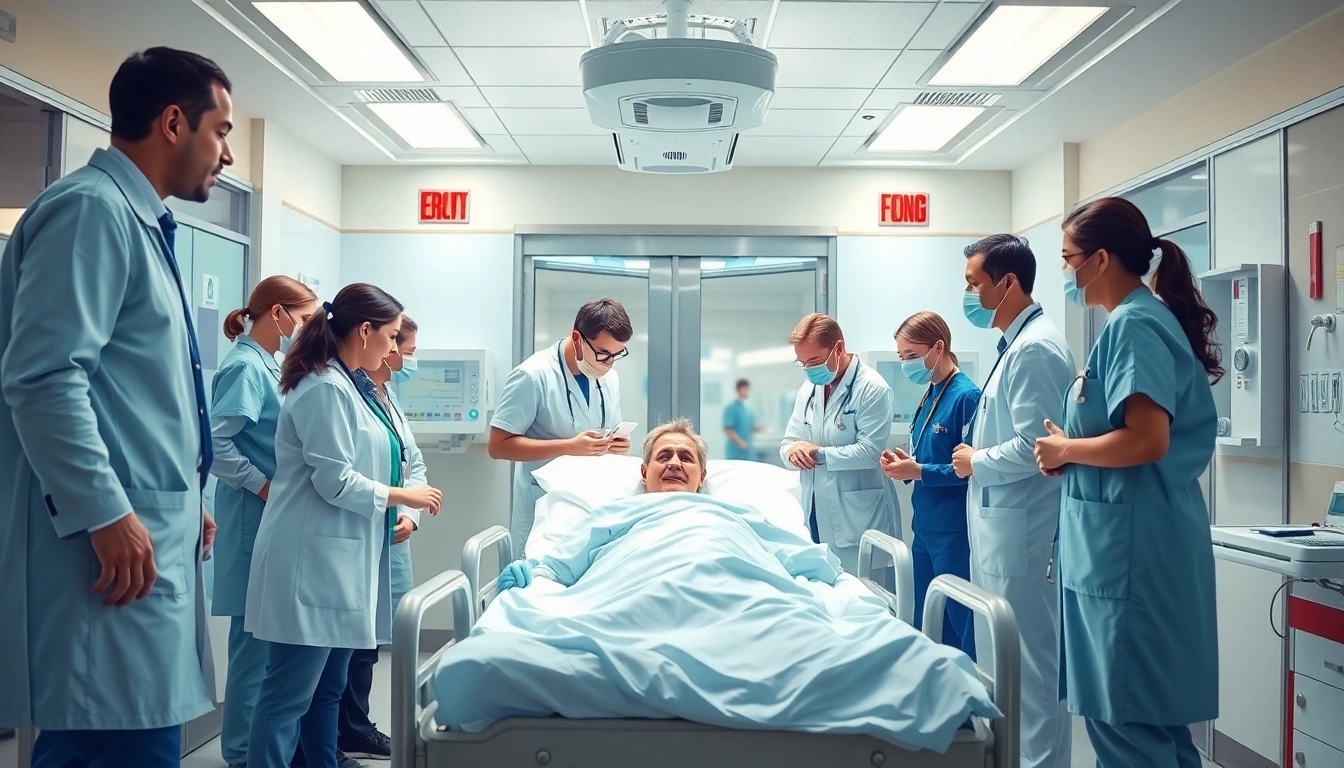
Understanding Emergency Hospital Services
Defining Emergency Hospital Services
Emergency Hospital Services refer to the specialized medical services provided at hospitals to handle urgent or life-threatening health situations. These services are designed to offer immediate medical attention to patients experiencing critical conditions or injuries. Patients can access these services at any time, usually through an Emergency Room (ER), which operates 24/7 to ensure that care is available when needed most. Emergency Hospital Services encompass various aspects, including trauma care, cardiac emergencies, and severe infections.
The Importance of Immediate Care
The nature of emergency services is to provide immediate care, which is often crucial in minimizing the long-term impact of a medical incident. Timeliness can significantly influence outcomes in severe cases, such as heart attacks or trauma injuries. The adage "time is tissue" is especially pertinent in emergency medicine, highlighting that delays in treatment can result in irreversible damage to organs and tissues. Quick and decisive action can save lives or reduce the severity of health complications.
Common Conditions Treated in Emergency Settings
Many conditions necessitate urgent attention in hospital emergency departments. These include:
- Cardiovascular Emergencies: Conditions like heart attacks or arrhythmias.
- Trauma: Severe injuries from accidents, falls, or violence.
- Respiratory Issues: Asthma attacks or pneumonia exacerbations.
- Neurological Emergencies: Stroke or severe headaches.
- Infections: Sepsis or life-threatening infections.
Key Components of Emergency Hospital Services
Emergency Room Operations Explained
Emergency Rooms play a pivotal role in health systems, designed for rapid assessment and treatment of acute medical conditions. Each ER is typically staffed by a team of emergency physicians, nurses, and support staff who work collaboratively to triage patients based on the severity of their conditions. Upon arrival, patients undergo a quick evaluation (triage) to prioritize the most critical cases. This process minimizes wait times and ensures that those in dire need receive treatment first.
Role of Medical Professionals in Emergency Care
Healthcare professionals in emergency settings are specifically trained to handle fast-paced and unpredictable environments. They must quickly stabilize patients, make critical decisions, and perform medical procedures swiftly. Emergency physicians typically lead medical teams, and their training enables effective management of a broad spectrum of conditions. Nurses are equally essential, offering both critical care and emotional support to patients and families during distressing situations.
Essential Equipment and Technologies
The effectiveness of emergency services heavily relies on a range of essential equipment and advanced technology. Commonly used tools include:
- Advanced Imaging Technology: CT scans, MRI, and ultrasound for rapid diagnostics.
- Monitoring Devices: Heart monitors and pulse oximeters to continuously assess vital signs.
- Resuscitation Equipment: Defibrillators and other life-supporting equipment crucial for critical care.
- Medications: Emergency medication supplies must be readily available for immediate use.
Patient Experience in Emergency Hospital Services
What to Expect During Your Visit
Entering an emergency department can be overwhelming. Upon arrival, a registration process usually occurs, where patients can provide their personal and insurance information. Next, they will be assessed by a triage nurse, who will prioritize their treatment based on urgency. Treatment often varies significantly; patients may receive immediate life-saving interventions or may be monitored for less severe conditions before deciding on the next steps.
Patient Rights and Responsibilities
Patients have the right to receive appropriate care, understand their treatment options, and make decisions about their health. Inversely, patients also hold responsibilities such as providing accurate health information, respecting hospital policies, and being considerate to staff and other patients. Effective communication between patients and healthcare providers is essential for optimizing outcomes.
Feedback Mechanisms for Service Improvement
Feedback from patients is vital for enhancing the quality of emergency services. Many hospitals implement surveys or follow-up calls to gather insights on patient experiences. This information can identify areas needing improvement, ranging from staff communication to wait times, ultimately aiming to refine the overall patient experience in emergency situations.
Best Practices for Effective Emergency Care
Preparing for an Emergency Room Visit
Although emergencies cannot be predicted, having a basic plan can ease the process. Familiarize yourself with nearby facilities and their services. It's beneficial to have important medical documents accessible, such as a list of medications, allergies, and prior medical history. Educating family members about the plan can also expedite care during an emergency.
How to Communicate Effectively with Healthcare Providers
Clear and concise communication is paramount during emergency visits. Patients should provide detailed information about their symptoms, medical history, and any medications they are taking. Using descriptive language helps healthcare providers diagnose issues accurately and quickly. Additionally, feel free to ask questions regarding any unfamiliar terms or diagnoses.
Avoiding Common Mistakes in Emergency Situations
Making decisions in emergencies can lead to mistakes. Avoid hesitating to seek help; waiting too long may exacerbate serious conditions. Similarly, do not self-diagnose or ignore worsening symptoms. Trust healthcare professionals to conduct thorough evaluations and provide appropriate treatment. Lastly, consider the severity of symptoms to ensure that the right level of care is being sought—from urgent care clinics to emergency departments.
Future Trends in Emergency Hospital Services
The Impact of Telemedicine on Emergency Care
Telemedicine is becoming an integral part of emergency care, especially for delivering triage before physical visits. Virtual consultations can assist in preliminary assessments, providing patients with quick access to medical advice when distance or other barriers might delay in-person care. This approach can also help streamline ER operations, reducing congestion for non-urgent cases.
Increasing Efficiency with Technology
Advancements in technology allow for enhanced operations within emergency services. Electronic health records (EHR) facilitate seamless data sharing among healthcare providers, expediting treatment decisions. Additionally, machine learning algorithms can predict surge patterns, assisting hospitals in effectively allocating resources during peak times. Innovative diagnostic tools, such as portable ultrasound machines, also enable rapid assessment of patients’ conditions.
Integrating Community Resources with Emergency Services
Collaboration with community resources, including local health organizations and social services, enhances emergency care systems. By addressing social determinants of health, emergency services can help prevent crises by providing patients with ongoing support. Establishing clear pathways for follow-up care ensures that patients have continued access to essential services, reducing the likelihood of return visits to emergency departments.
FAQs about Emergency Hospital Services
What are Emergency Hospital Services?
Emergency Hospital Services provide immediate medical attention for acute health conditions and injuries that require urgent care. These services are available 24/7 in emergency departments.
When should I go to the Emergency Room?
You should visit the Emergency Room if you're experiencing severe symptoms, such as chest pain, difficulty breathing, or severe bleeding. If in doubt, it's always good to err on the side of caution.
How do hospitals prioritize patients in the ER?
Hospitals use a triage system to prioritize patients based on the severity of their conditions. Those with life-threatening issues receive care first, while less urgent cases may wait until more critical patients are treated.
Can I choose my healthcare provider in an emergency?
In emergencies, you typically cannot choose your healthcare provider. However, you can convey your preference upon stabilization once immediate care has been addressed.
How can I provide feedback on my ER experience?
Most hospitals encourage feedback through surveys or direct communications. You can ask staff about their feedback process, and sharing your experience can help improve emergency services.